Dick Gregory ran for what public office in 1968?
1. U.S. Senator
2. U.S. President
3. U.S. Congressman
4. Mayor, Washington D.C.
U.S. President
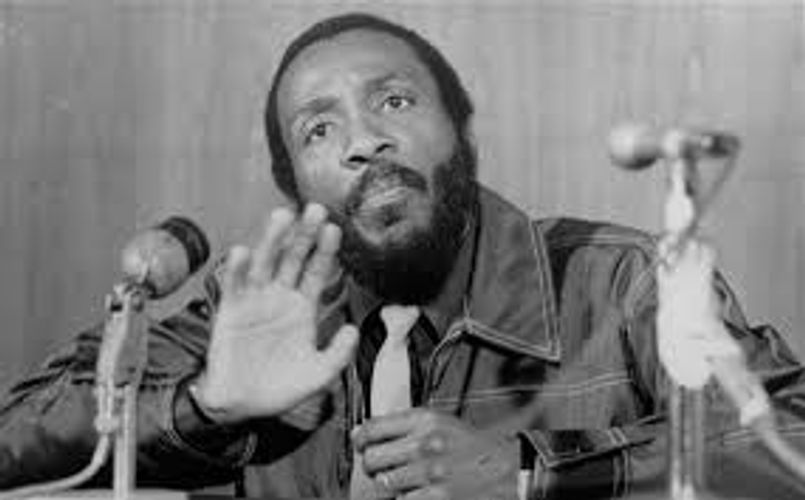
In 1968, Dick Gregory ran for President under the Freedom & Peace Party, an independent party that emerged out of the civil rights and anti-war movements.
Fannie Lou Hamer helped found what organization?
1. Southern Democratic Black Women
2. Mississippi Freedom Democratic Party
3. Universal Association of Black Women
4. Southern Democratic Black Women
Mississippi Freedom Democratic Party
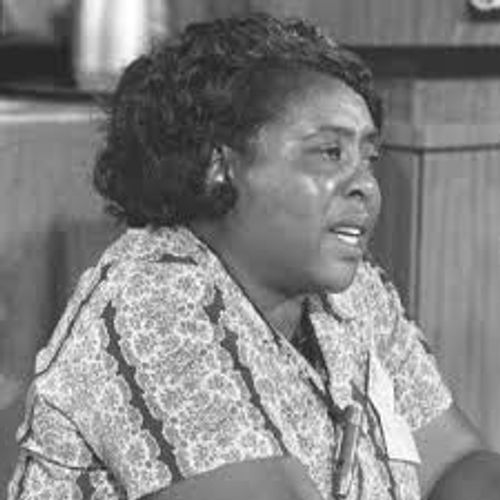
Civil rights activist Fannie Lou Hamer led voter registration efforts in Mississippi and in 1964 co-founded the Mississippi Freedom Democratic Party.
Who was the first Black U.S. Secretary of Commerce?
1. James Cleveland
2. Carl Stokes
3. Robert Weaver
4. Ron Brown
Ron Brown
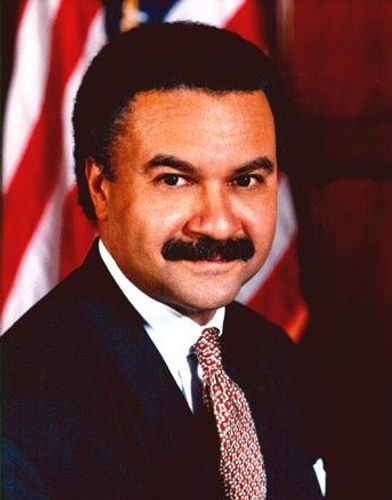
Ronald Harmon "Ron" Brown, serving under President Bill Clinton, was the first African-American United States Secretary of Commerce. He was killed in a 1996 plane crash in Croatia.
What was the period (1863-1877) called after slavery when Blacks were given equal political opportunities to whites?
1. Reclamation
2. Restitution
3. Reconstruction
4. Reparations
Reconstruction
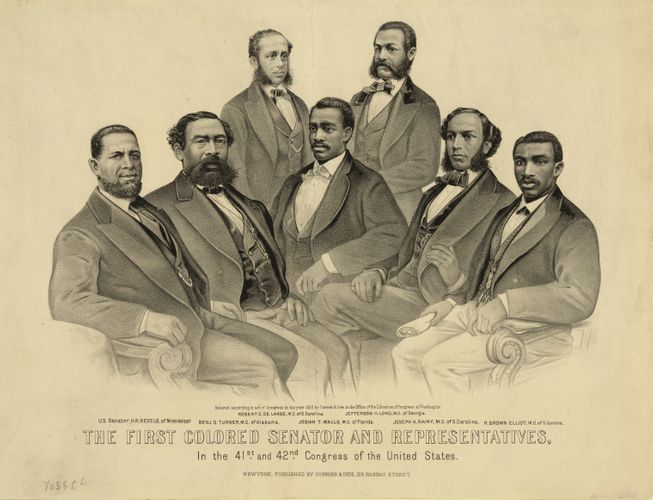
After the Civil War and the Union’s victory, the country went through the difficult period of rebuilding the South; which was called The Reconstruction period which lasted from December 8, 1863 – March 31, 1877.
To what country did Sidney Poitier serve as the Bahama’s Ambassador?
1. England
2. U.S.
3. Germany
4. Japan
Japan
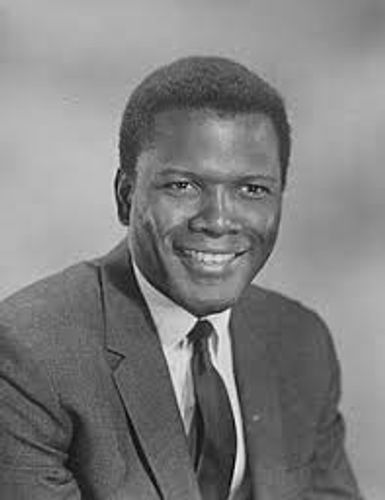
From 1997 to 2007, Sidney Poitier served as the non-resident Bahamian ambassador to Japan.
In what year was the first Voting Rights Act signed into law?
1. 1965
2. 1945
3. 1921
4. 1952
1965
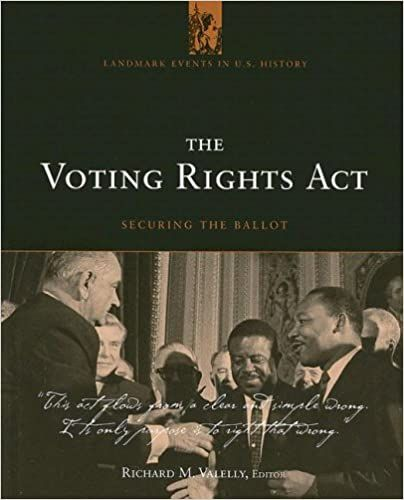
After years of civil unrest, in 1965 President Lyndon B. Johnson signed the Voting Rights Act into law, permanently barring barriers to political participation by racial and ethnic minorities.
Who was the first Black person to serve in the Cabinet of the President of the U.S.?
1. David Dinkens
2. Robert Weaver
3. Patricia Harris
4. Fannie Lou Hamer
Robert Weaver
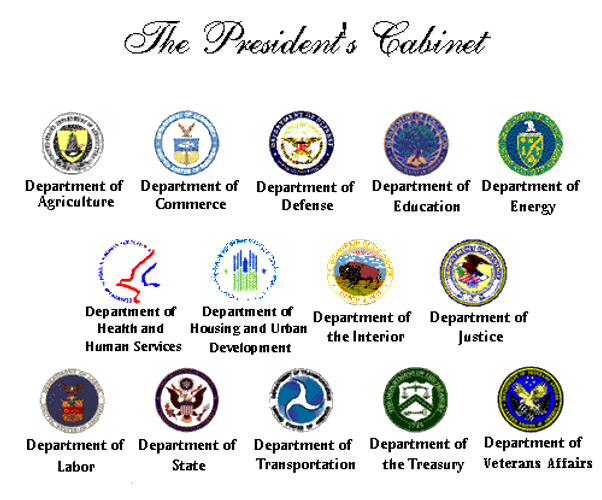
Robert C. Weaver was the first African-American to be appointed to a US cabinet-level position, serving as Secretary of Housing and Urban Development (H.U.D.) from 1966 to 1968. This new agency was established in 1965 under President Lyndon B. Johnson.
Who was the first African-American elected as governor of Virginia?
1. Andrew Young
2. L. Douglas Wilder
3. David Dinkins
4. Julian Bond
L. Douglas Wilder
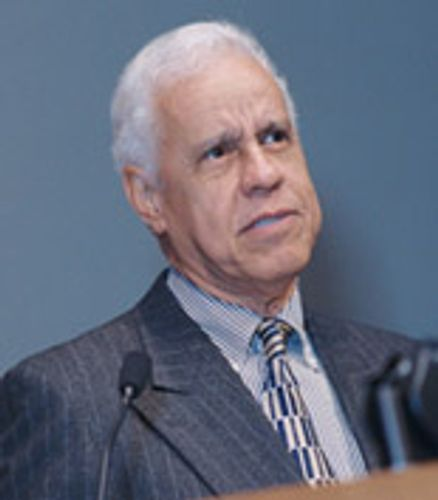
Serving as the 66th Governor of Virginia from 1990 to 1994, L. Douglas Wilder became the first African-American governor in the U.S. since Reconstruction.
Who was the first Black mayor of a major city?
1. David Dinkins
2. Maynard Jackson
3. Carl Stokes
4. Sharon Pratt Kelly
Carl Stokes
Carl Stokes was elected on November 7, 1967, and took office on January 1, 1968 as mayor of Cleveland Ohio, becoming the first Black elected mayor of a major city. Although he was elected after Richard G. Hatcher of Gary, Indiana, he took office first.
Who was the fifth African-American U.S. senator?
1. Barack Obama
2. Roland Burris
3. Edward Brooks
4. Carol Moseley Braun
Barack Obama
The fifth African-American elected to the U.S. Senate achieved this feat in 2004; it was Barack Obama who, four years later was elected as the first African-American president of the U.S.
Who was the first Black woman to serve in the California General Assembly and subsequently the first woman elected to the U.S. Congress from California?
1. Carole Moseley Braun
2. Patricia Harris
3. Yvonne Braithwaite Burke
4. Constance Baker Motley
Yvonne Braithwaite Burke
In 1966 Yvonne Braithwaite Burke served on the California General Assembly. Additionally, she was elected to Congress as the first African-American woman from California and served from 1973-1978. In 1973, she became the first member of Congress to give birth and be granted maternity leave.
In 1968 which African-American was named candidate for vice president, but withdrew because he was too young?
1. Maynard Jackson
2. Andrew Young
3. Jesse Jackson
4. Julian Bond
Julian Bond
In 1968, Julian Bond led a challenge delegation from Georgia to the Democratic National Convention in Chicago and was the first African-American nominated as Vice President of the United States. He withdrew his name from the ballot because he was too young to serve.
Who was the first Black governor in the U.S.?
1. P.B.S. Pinchback
2. L. Douglas Wilder
3. Ralph Bunche
4. Ron Brown
P.B.S. Pinchback
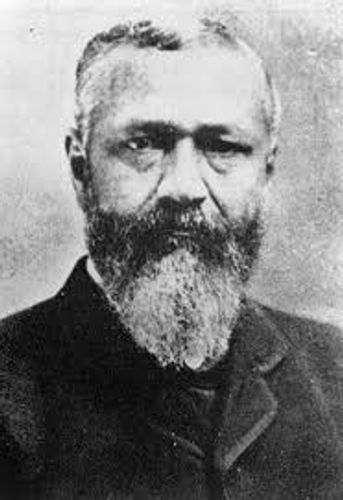
During Reconstruction, the son of a white planter and an enslaved woman, Pinckney Benton Stewart (P.B.S.) Pinchback, briefly became the first Black Governor of Louisiana and of any state in the U.S.
How many African-Americans were elected to the U.S. Senate before the ratification of the Fifteenth Amendment to the United States Constitution?
1. 3
2. 1
3. 4
4. 0
0
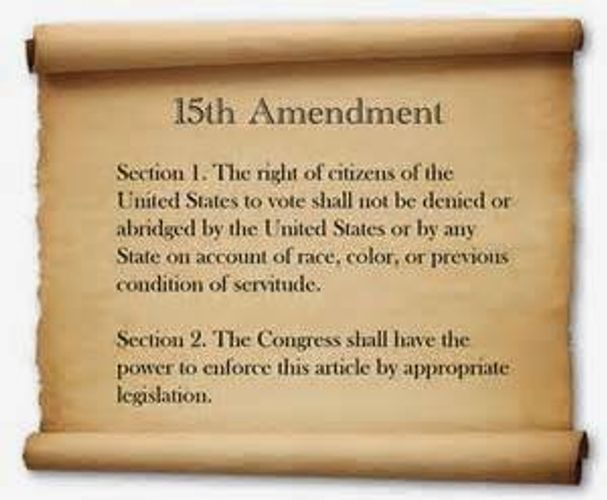
Before the ratification of the 15th Amendment in 1870, which granted African-American men the right to vote, there were no African-Americans elected to the U.S. Senate.
From what state did Hiram R. Revels serve as the first Black U.S. Senator in 1870?
1. Georgia
2. Ohio
3. Mississippi
4. Michigan
Mississippi
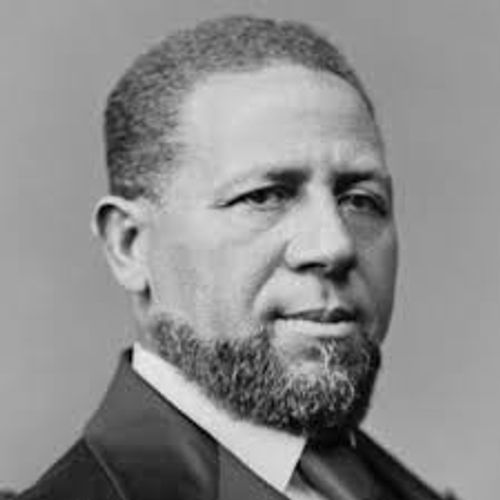
Hiram R. Revels became the first African-American Senator when he was elected to represent Mississippi in 1870 and 1871 during the Reconstruction era.
Who was the first Black person to sit on the U.S. Court of Appeals?
1. Adam Clayton Powell
2. Ralph Bunche
3. William Slow
4. William Hastie
William Hastie
In 1950, under President Truman, William Hastie was confirmed as Judge of the Third United States Circuit Court of Appeals, which at the time was the highest judicial position ever held by an African-American.
Frederick Douglass served as Minister Resident and Consul General to what country?
1. Ghana
2. Jamaica
3. Haiti
4. Cuba
Haiti
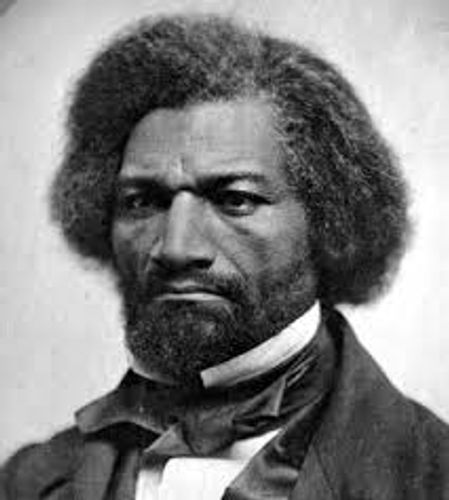
In 1889 Frederick Douglass was appointed by the President Benjamin Harrison administration as Minister Resident and Consul General to Haiti.
Who was the first Black person elected to the U.S. Senate since Reconstruction?
1. Edward W. Brooks
2. Carl Stokes
3. A. Philip Randolph
4. Robert Weaver
Edward W. Brooks
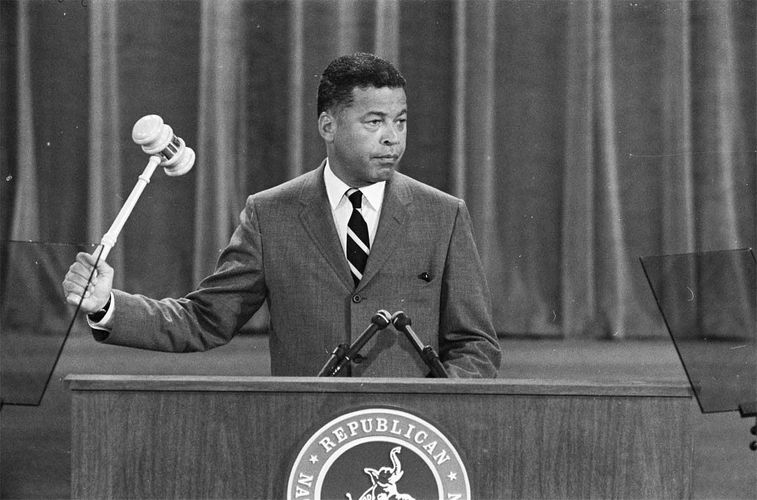
Edward W. Brooks was elected to the U.S. Senate in 1966 and became the first Black American from Massachusetts to serve in Congress. His election ended an 85-year absence of African-Americans in the Senate since the era of Reconstruction.
In 1975, what actor, comedian and author was appointed special U.S. representative at the United Nations?
1. Red Fox
2. Dick Gregory
3. Pearl Bailey
4. Mom’s Mabley
Pearl Bailey

In 1975 Pearl Bailey was appointed special ambassador to the United Nations by President Gerald Ford.
Who was the first Black woman to serve as mayor of a major American city?
1. Shirley Chisholm
2. Shirley Franklin
3. Sharon Pratt Kelly
4. Brenda Stephens
Sharon Pratt Kelly
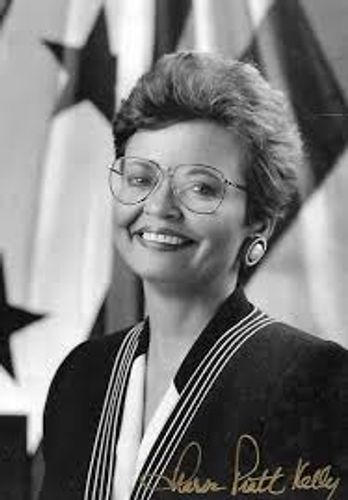
Serving as the third mayor of the District of Columbia from 1991 to 1995, Sharon Pratt Kelly was the first African-American woman to serve as mayor of a major American city.
Who was the first Black woman to serve in Congress?
1. Shirley Chisholm
2. Patricia Harris
3. Shirley Black
4. Shirley Franklin
Shirley Chisholm
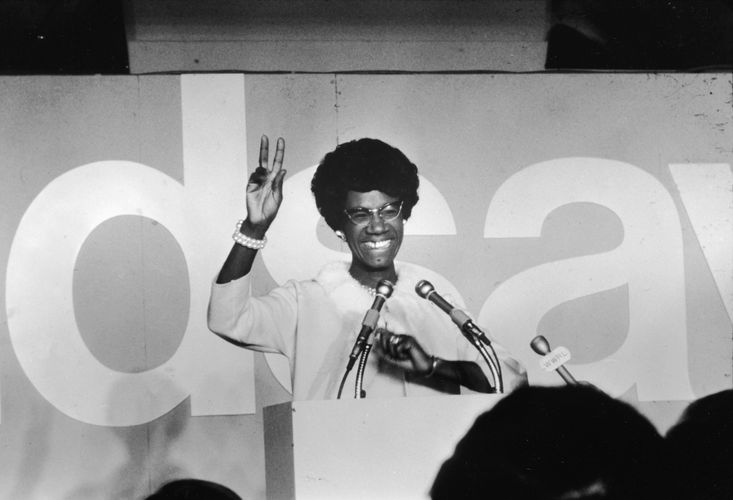
Shirley Chisholm was not only the first Black woman to be elected to Congress, she was also the first Black person, man or woman, to seek a major party’s nomination for the United States presidency.
Which decision handed down by the Supreme Court determined that Congress had no constitutional power to deprive persons of their property rights when dealing with enslaved persons in the territories and essentially declared the Missouri Compromise unconstitutional?
1. Scott v Sanford
2. Loving v Virginia
3. Brown v Board of Education
4. Plessy v Ferguson
Scott v Sanford
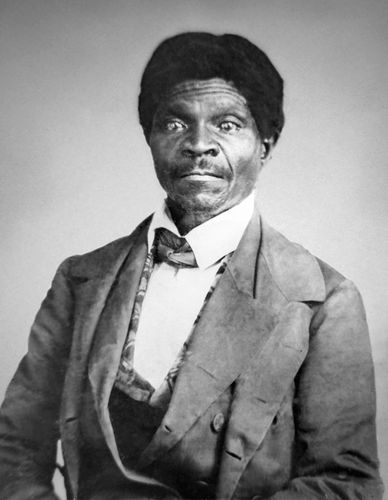
In 1857, the United States Supreme Court issued a decision in the Scott v Sanford case affirming the right of slave owners to take their enslaved persons into the Western territories; this case is popularly called The Dred Scott Decision.
Who was the first Black mayor of New York City?
1. Julian Bond
2. David Dinkins
3. L. Douglas Wilder
4. Andrew Young
David Dinkins
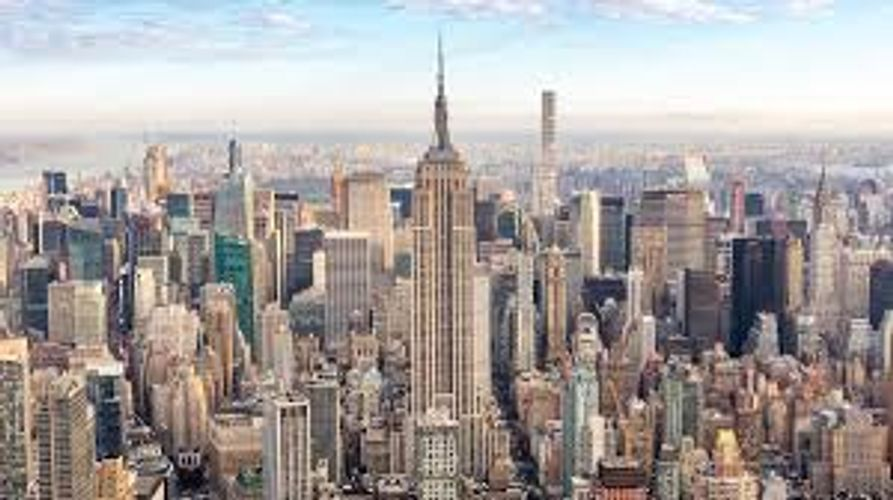
As the first, and, to date, only African-American to serve as Mayor of New York City, David Dinkins was the 106th Mayor from 1990 to 1993.
Who served as the highest ranking American at the United Nations in 1949 and in 1950 won the Nobel Peace Prize?
1. A. Philip Randolph
2. Ralph Johnson Bunch
3. W.E.B.DuBois
4. Marcus Garvey
Ralph Johnson Bunch
In 1944, Ralph Johnson Bunche took part in planning for the United Nations and served as the highest ranking American at the United Nations in 1949. In 1950, Bunch became the first African-American to win the Nobel Peace Prize for his mediation in Israel.