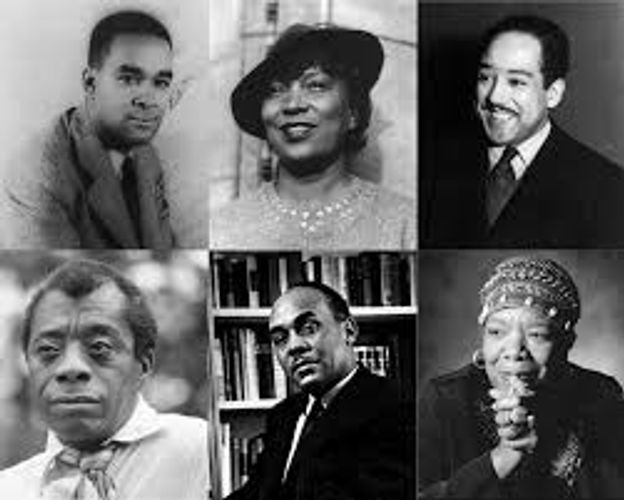
What well known play received its name from a portion of a Langston Hughes poem?
1. "Dream Deferred"
2. "Harlem"
3. "Dream Boogie"
4. "Raisin in the Sun"
"Raisin in the Sun"
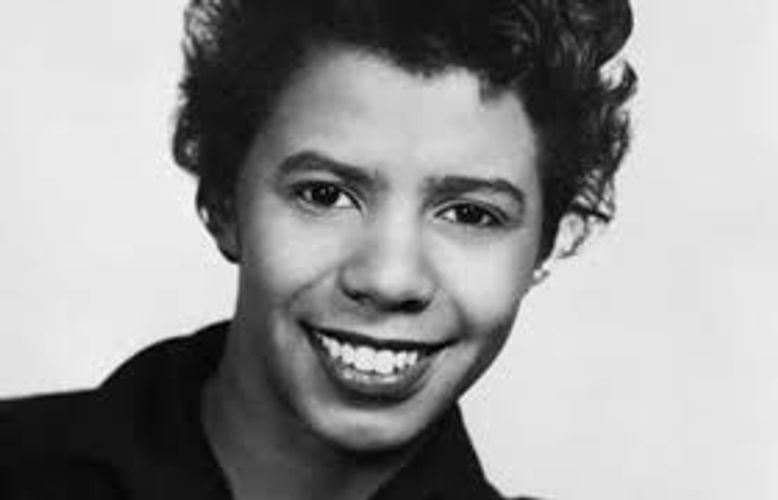
"Raisin in the Sun", earning the first New York Drama Critics Award for an African American, was written by Lorraine Hansberry and debuted on Broadway in 1959.The title comes from a line from Langston Hughes’ poem, Harlem: “What happens to a dream deferred? Does it dry up Like a raisin in the sun? Or fester like a sore -And then run?”
Which African American poet and novelist, who was also an important figure of the Harlem Renaissance and modernism, wrote the celebrated book Cane, published in 1923?
1. Countee Cullen
2. Charles Chesnutt
3. Claude McKay
4. Jean Toomer
Jean Toomer
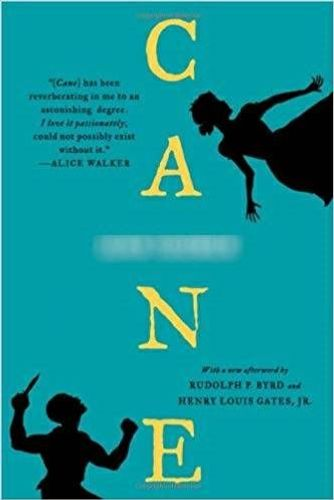
Jean Toomer, partially of European ancestry, struggled with his racial identity, but was generally recognized as the African American writer of "Cane".
Which African American woman writer is an award-winning science fiction writer?
1. Connie Briscoe
2. Octavia Butler
3. Gloria Naylor
4. Iyanla Vanzant
Octavia Butler
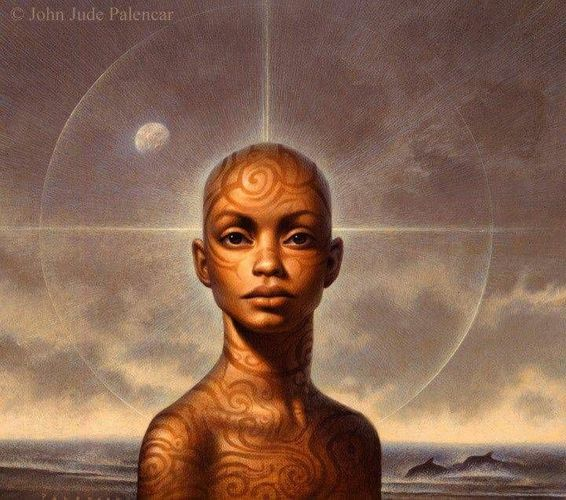
Octavia E. Butler, author of several science fiction novels, is known for blending fantasy with African-American spiritualism.
Who is the literary and cultural critic who initiated the Harlem Renaissance concept, “The New Negro”?
1. Alain Locke
2. Houston Baker
3. Darwin Turner
4. Hoyt Fuller
Alain Locke
Alain LeRoy Locke, best known for his writings which initiated and supported the Harlem Renaissance, was also a philosopher, educator and, in 1907, the first African American Rhodes Scholar.
Which of the following novels was NOT written by Jessie Fauset?
1. "The China-berry Tree"
2. "Jonah’s Gourd Vine"
3. "There is Confusion"
4. "Plum Bun"
"Jonah’s Gourd Vine"
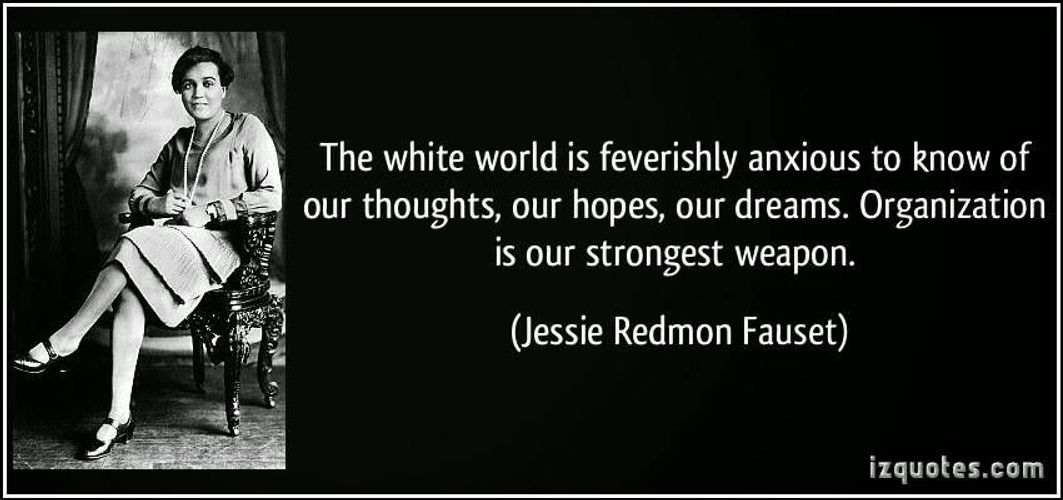
"Jonah’s Gourd Vine" was not one of Fauset's works. This was the first novel of the noted writer, Zora Neale Hurston's (1934).Jessie Redmon Fauset, an African-American editor, poet, essayist, novelist, and educator whose numerous works helped shape African-American literature in the 1920s.
Who was the first African American poet to assume the position of Consultant in Poetry to the Library of Congress, now called the U.S. Poet Laureate?
1. Robert Hayden
2. Langston Hughes
3. Claude McKay
4. Gwendolyn Brooks
Robert Hayden
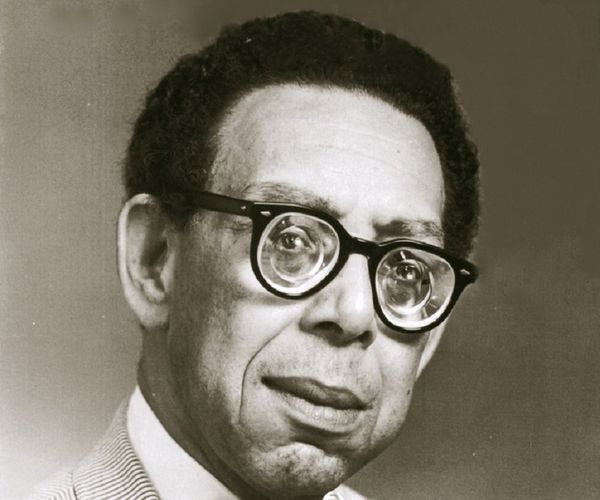
In 1976, Robert Hayden became the first African American to serve as the Library of Congress' Consultant in Poetry—a position that was later renamed to "poet laureate".
Which of the following is the satirist who wrote, among other novels, "Yellow Back Radio Broke Down"?
1. John Wideman
2. Amiri Baraka
3. Ishmael Reed
4. Haki Madhubuti
Ishmael Reed
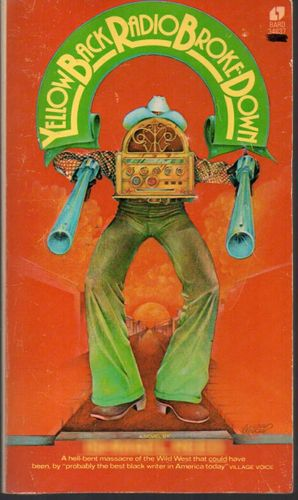
This satirical novel, published in 1969, was written by Ishmael Reed who was also a poet, novelist, essayist, songwriter, playwright, editor and publisher.
Who is considered to be the first published Black writer in America?
1. Jupiter Hammon
2. Venus Murray
3. Bruno Mars
4. Wesley Saturn
Jupiter Hammon
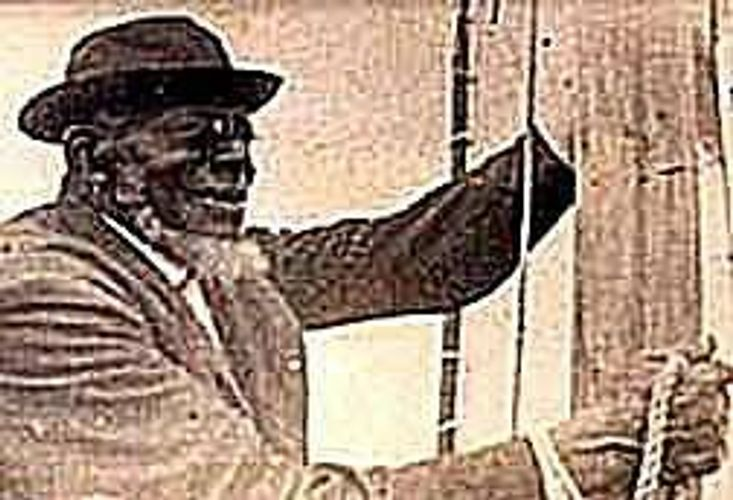
Early African American author, Jupiter Hammon is considered the first published Black writer in America, with his poem "An Evening Thought: Salvation by Christ with Penitential Cries", which he published as a broadside in early 1761.
Which of the following is NOT an African American autobiography?
1. "Autobiography of an Ex-Colored Man"
2. "A Man Called White"
3. "Along this Way"
4. "Dusk of Dawn"
"Autobiography of an Ex-Colored Man"
Autobiography of an Ex-Colored Man, published in 1912, is a fictional account of a biracial man written by James Weldon Johnson, also author of Lift Every Voice. The rest are autobiographies by noted African Americans.
Who is the 20th century essayist, fiction writer and playwright who produced the celebrated play "Amen Corner"?
1. Leroi Jones
2. James Baldwin
3. Ed Bullins
4. Amiri Baraka
James Baldwin
James Baldwin was a celebrated African American novelist, essayist, playwright, poet and social critic. His works were numerous and included such titles as "Go Tell it on the Mountain", "The Fire Next Time", "Giovanni’s Room" and his 1954 play, "Amen Corner".
Which one of the following women writers emerged out of the tumultuous revolutionary sixties?
1. J. California Cooper
2. Toni Cade Bambara
3. Margaret Walker
4. Gwendolyn Brooks
Toni Cade Bambara
Toni Cade Bambara, born in 1939, was an activist scholar, writer, filmmaker, and professor during the Black Arts Movement, beginning in the 60s.She is noted for her novel "The Salt Eaters", among other works. Walker, Brooks and Cooper are all authors that emerged in the early 20th Century.
What poet, playwright, essayist wrote "Preface to a Twenty Volume Suicide Note"?
1. Ethridge Knight
2. Dudley Randall
3. Don L. Lee (Haki Madhubuti)
4. Leroi Jones (Amari Baraka)
Leroi Jones (Amari Baraka)
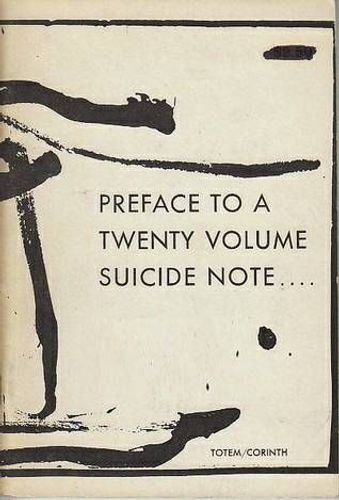
"Preface to a Twenty Volume Suicide Note" was the first collection of poems written and published by Leroi Jones (Amari Baraka) between 1957-1961.
Who was a poet and founder of Broadside Press, which published numerous poets during the 60s?
1. Lance Jeffers
2. Dudley Randall
3. Margaret Danner
4. Mari Evans
Dudley Randall
Dudley Randall was an African-American librarian, poet and poetry publisher from Detroit, Michigan who founded the pioneering publishing company, Broadside Press, in 1965. Because of Randall’s influence over the published writing of the 1960s, in 1978 Black Enterprise magazine called Randall, "The father of the black poetry movement".
Which of the following was NOT a writer of the Harlem Renaissance, the 1920s and 30s?
1. Jessie Fauset
2. Zora Neale Hurston
3. Alice Walker
4. Nella Larsen
Alice Walker
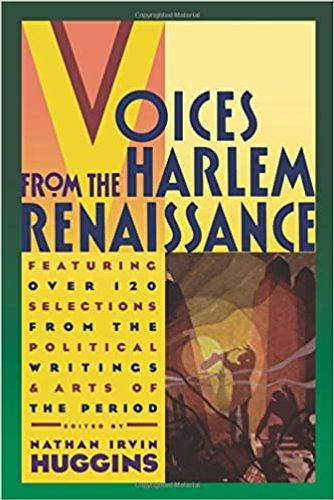
Alice Walker, born in 1944, is a poet, essayist, and New York Times-bestselling author who has won both the Pulitzer Prize and National Book Award. She was not a part of the Harlem Renaissance.
Who is the African American poet who served as U.S. Poet Laureate from 1993 to 1995?
1. Rita Dove
2. Nikki Giovani
3. Langston Hughes
4. Ntozake Shange
Rita Dove
At age 40, Rita Dove was the youngest person to hold the position of Poet Laureate of the US and was the first African American to hold the position since 1986, when the title was changed from Consultant in Poetry to Poet Laureate.
Who was the first African American poet to receive a Pulitzer Prize for poetry?
1. Gwendolyn Brooks
2. Naomi Long Madgett
3. Arna Bontemp
4. Margaret Walker
Gwendolyn Brooks
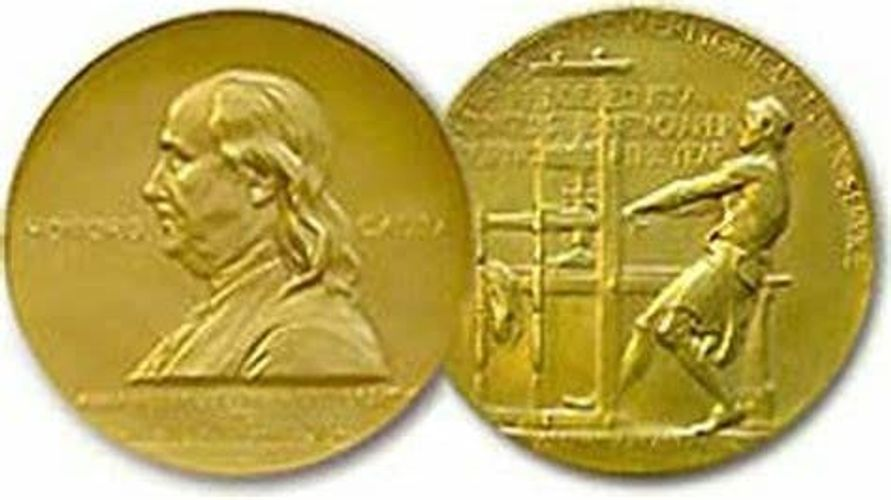
Gwendolyn Brooks was the first African American poet to receive the Pulitzer Prize for her collection, "Annie Allen".
Which poet wrote a collection of poetry entitled "The Weary Blues"?
1. Claude McKay
2. Countee Cullen
3. Langston Hughes
4. Melvin B. Tolson
Langston Hughes
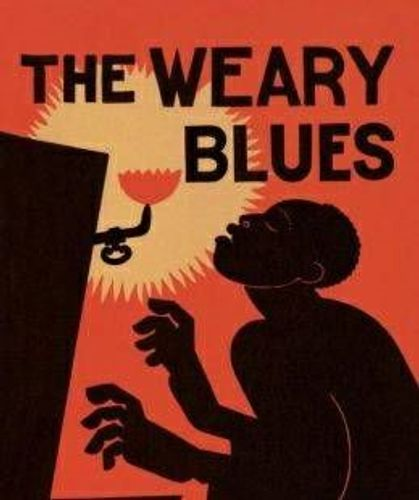
Langston Hughes published his first collection of poetry, "The Weary Blues", in 1926 which included the title poem Weary Blues.
Which of the following is NOT written by Richard Wright?
1. "Black Boy"
2. "Invisible Man"
3. "Uncle Tom’s Children"
4. "Native Son"
"Invisible Man"
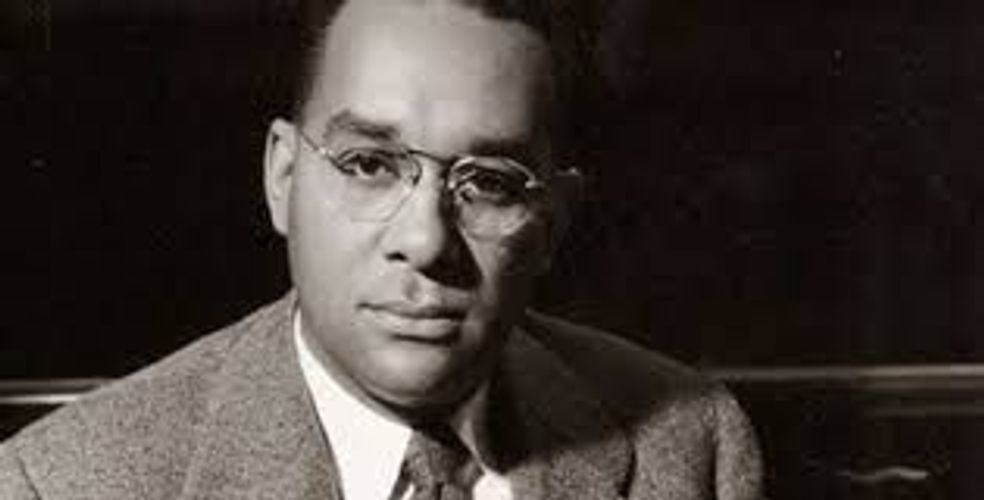
Ralph Ellison was an African American novelist, literary critic, and scholar, who is best known for his highly acclaimed novel "Invisible Man", which won the National Book Award in 1953. All of the other novels are well known works written by Richard Wright.
Which poet is NOT known as a poet of the “revolutionary 60s”?
1. Margaret Walker
2. Amina Baraka
3. Sonia Sanchez
4. Nikki Giovanni
Margaret Walker
Margaret Walker, poet, novelist and essayist, writing over 60 years, is probably best known for bridging the work of the Harlem Renaissance (the 20s and 30s) and that of the Black Arts Movements (the revolutionary 60s). She is perhaps best known for her earlier works.
Who was the first known African American woman poet?
1. Kelly Miller
2. Frances Ellen Watkins Harper
3. Phyllis Wheatley
4. Lucy Terry
Lucy Terry
Lucy Terry composed a ballad, "Bars Flight", about a 1746 incident. It was preserved orally until being published in 1855.
Which of the following is NOT an African American poet?
1. Arna Bontemps
2. Charles Chesnutt
3. Robert Hayden
4. Naomi Long Madgett
Charles Chesnutt
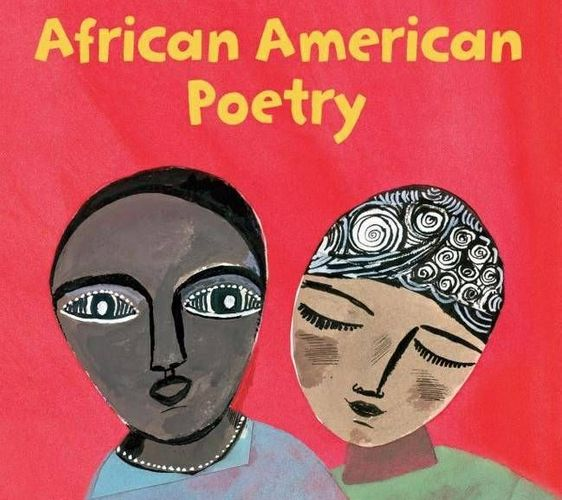
Charles Chesnutt was an African American author, essayist, political activist and lawyer, best known for his fiction about the post-Civil War south.
Which novelist was the first African American to win the Nobel Laureate Prize in literature?
1. Toni Cade Bambara
2. Terry McMillan
3. Alice Walker
4. Toni Morrison
Toni Morrison
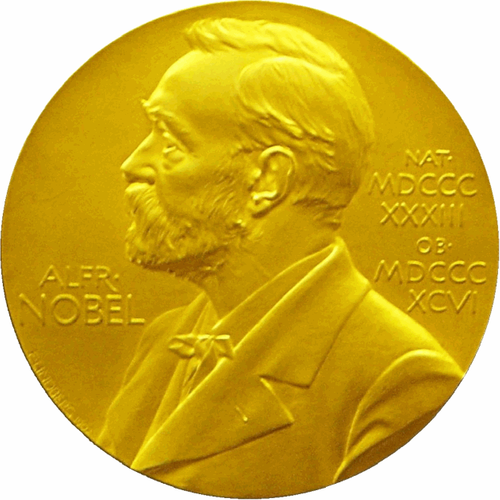
In 1993, Toni Morrison, author of 11 novels, to date, became the first African American writer to earn the Nobel Prize for Literature. She died in August 2019.
Which African American writer wrote the famous sonnet, "If We Must Die"?
1. Paul Laurence Dunbar
2. Ralph Ellison
3. Claude McKay
4. W.E.B. DuBois
Claude McKay
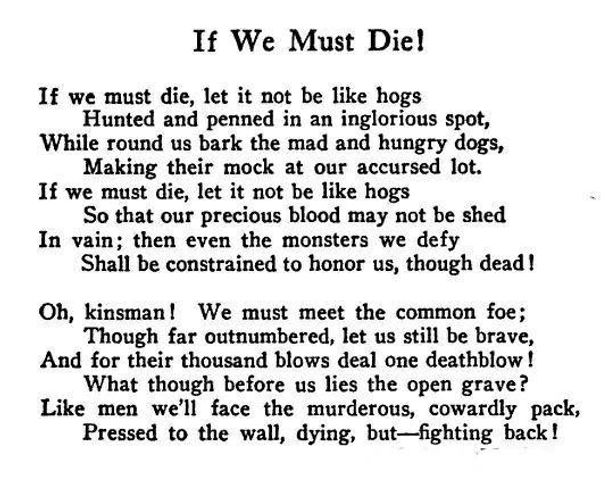
Claude McKay was co-editor of The Liberator when he published one of his most famous poems, "If We Must Die", in 1919, during a period of intense racial violence against Black people. The poem has been used in response to a number of oppressively violent situations and was even reported to have been quoted by Winston Churchill during World War II.
Which of the following poets did NOT write during the Harlem Renaissance?
1. Langston Hughes
2. Paul Laurence Dunbar
3. Georgia Douglass Johnson
4. Countee Cullen
Paul Laurence Dunbar
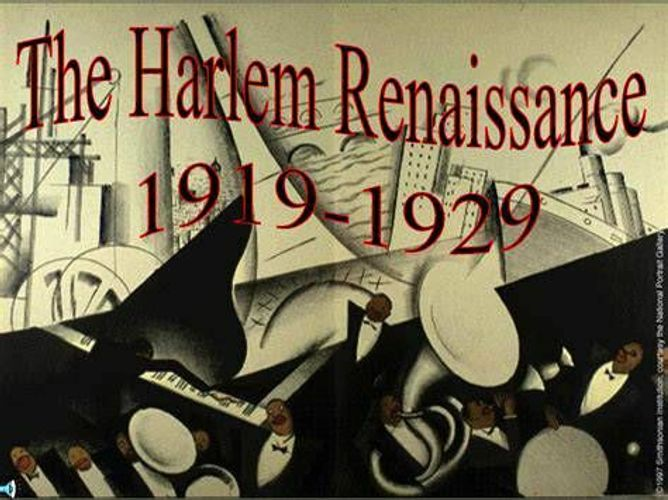
Paul Laurence Dunbar, from Dayton Ohio, was an African American poet, novelist, and playwright of the late 19th and early 20th centuries. The Harlem Renaissance occurred primarily in the 1920s.
Who is the author of the following poem: We real cool. We/ Left school, We/ Lurk late. We/ Sing sin. We/ Thin gin. We/ Jazz June. We/ Die soon.?
1. Owen Dodson
2. Langston Hughes
3. Gwendolyn Brooks
4. Mari Evans
Gwendolyn Brooks
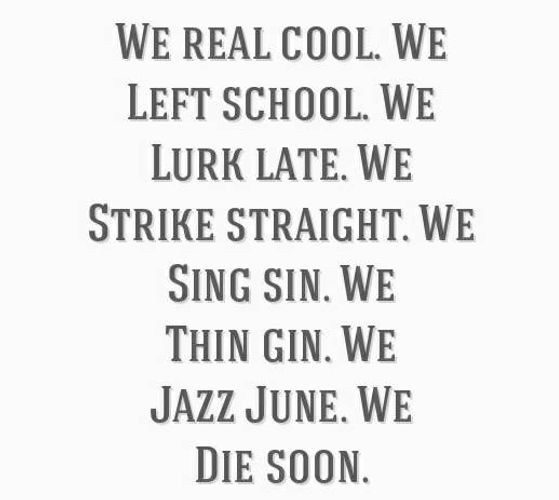
"We Real Cool" was written in 1959 by poet Gwendolyn Brooks and published in her 1960 book "The Bean Eaters", her third collection of poetry.
Share results:
Related Posts