Who was the 18th Surgeon General of the United States appointed by President Barack Obama?
1. Regina Marcia Benjamin
2. James E. Bowman
3. Vanderbilt Brown
4. William G. Anderson
Regina Marcia Benjamin
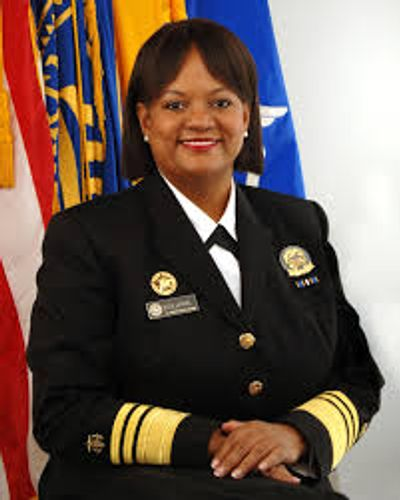
Dr. Regina Marcia Benjamin is a former vice admiral in the U.S. Public Health Service Commissioned Corps. She served as the 18th Surgeon General appointed by President Barack Obama while also serving as the first chair of the National Prevention Council.
Who was the first African American doctor to staff Michael Reese Hospital in Chicago?
1. Stefan Humphries
2. Henry Floyd
3. Leonidas Harris Berry
4. William F. Penn
Leonidas Harris Berry
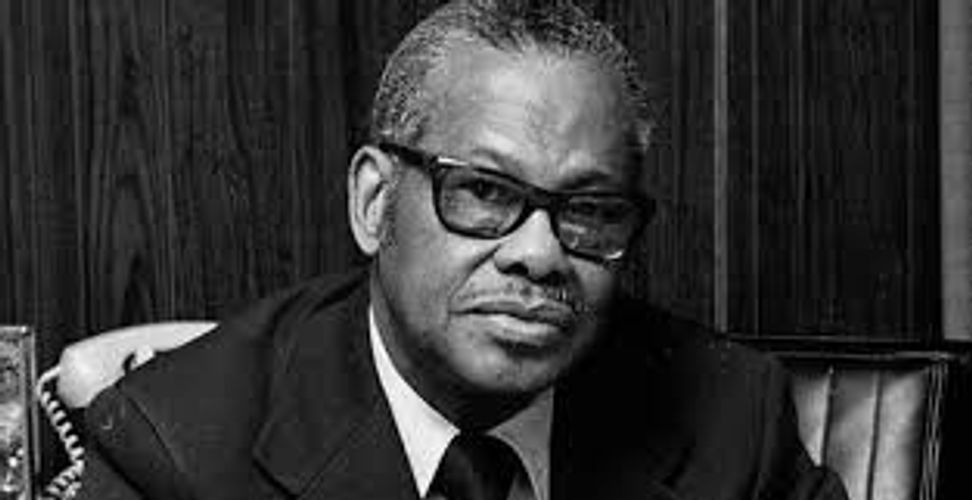
In 1946 Leonidas Harris Berry was the 1st African American to staff the Michael Reese Hospital, which was a major research and teaching hospital and one of the oldest and largest hospitals in Chicago, Illinois, founded in 1881.
What is the name of the largest and oldest national organization in the United States representing African American physicians and their patients?
1. American Medical Association for African Americans (AMAAA)
2. Black American Medical Association (BAMA)
3. African American Medical Association (AAMA)
4. National Medical Association for African Americans (NMAAA)
National Medical Association for African Americans (NMAAA)
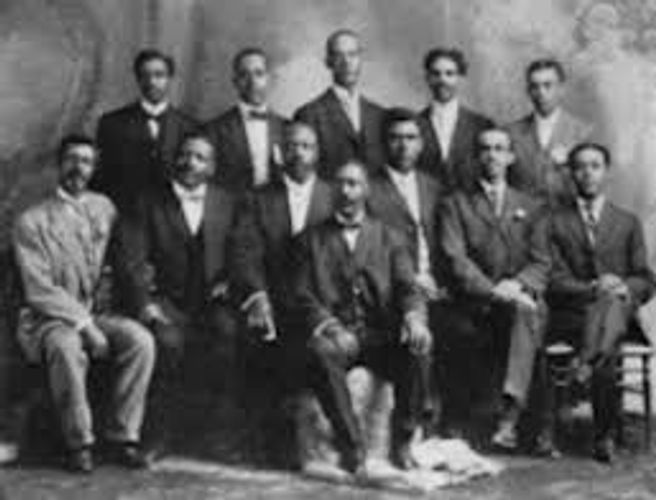
Because state laws and social customs failed to permit African Americans to join American medical societies, in 1895, African American physicians and other professionals formed the National Medical Association for African American physicians; it now serves more than 30,000 members with nearly 112 affiliated societies throughout the nation and U.S. territories.
In 1897 this Doctor became the first African American psychiatrist.
1. George Washington Antione
2. Aris T. Allen
3. Solomon Carter Fuller
4. James W. Ames
Solomon Carter Fuller
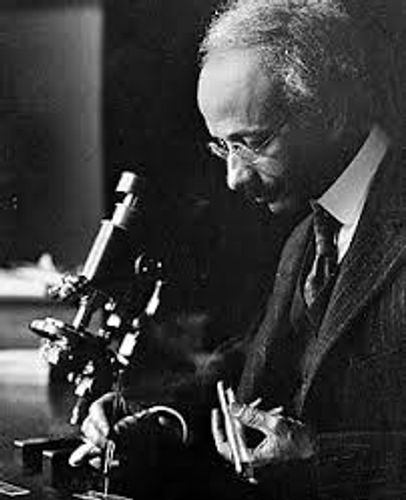
Dr. Solomon Fuller, born in Liberia, completed his college education and medical degree in the United States and studied psychiatry in Munich, Germany. Returning to the U.S. he became the first African American psychiatrist making great strides with Alzheimer's disease, schizophrenia, depression, and many other mental illnesses.
Who invented the intradermal injection technique, the process of injecting the vaccine into the deep layer of the skin?
1. William Hinton
2. Jane C. Wright
3. Ernest E. Just
4. Louis C. Wright
Louis C. Wright
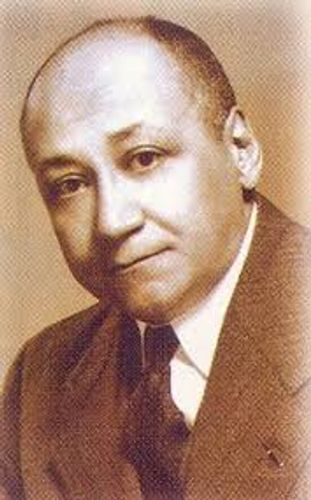
After completing medical school, Dr. Louis Wright, joined the Army Medical Corps, serving as a lieutenant during World War I, during which time he introduced the intradermal vaccination for smallpox. Later, he became the first African American surgeon at Harlem Hospital and in 1929 was appointed as the first African-American police surgeon with the New York Police Department
Who is credited as being America’s first Black professional nurse?
1. Irene Matthews
2. Sharon Elite
3. Mabel Stewart
4. Mary Mahoney
Mary Mahoney
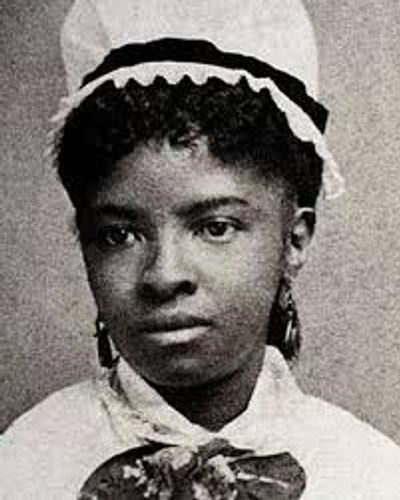
Mary Mahoney, RN., was the first black woman awarded a nursing degree, having graduated from Boston-based New England Hospital for Women and Children's training school for nurses in 1879. She also became one of the first black members of the American Nurses Association.
Who was the first black man to receive a medical Degree?
1. Theo Lawless
2. Miles Vandahurst
3. James McCune Smith
4. John A. Kenney Sr.
James McCune Smith
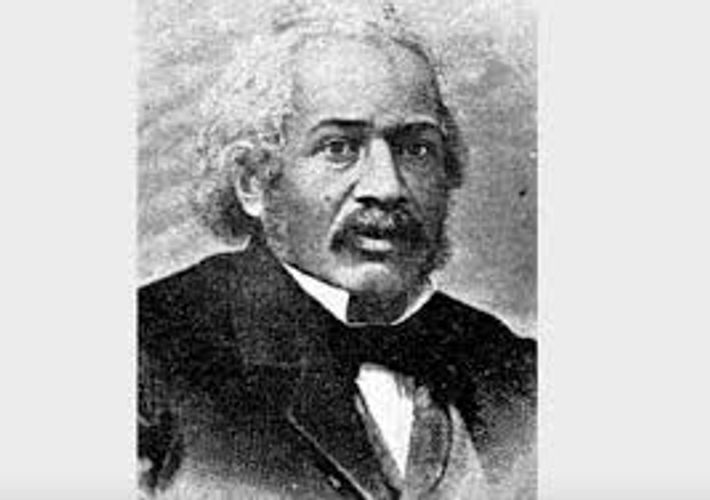
In 1837 James McCune Smith became the first black man in the U.S. to receive his MD degree. Because no U.S. medical school would admit Blacks, he received his degree from the University of Glasgow Medical School, where he graduated at the top of his class. He was also the first African American to run a pharmacy in the U.S.
Who was the first black woman appointed Surgeon General of the United States?
1. Lillian Atkins Clark
2. Mary Elizabeth Britton
3. Joycelyn Elders
4. Donna P. Davis
Joycelyn Elders
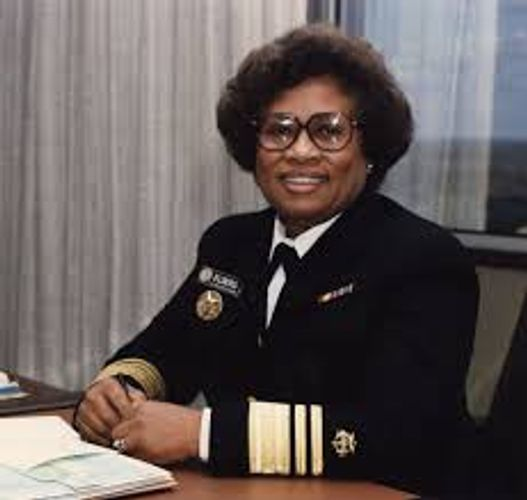
A vice admiral in the Public Health Service Commissioned Corps, Dr. Joycelyn Elders was the second woman, second person of color, and first African American to serve as Surgeon General of the United States, President Clinton appointed her as such in 1993.
Who was the first African American doctor to complete an ophthalmology residency program?
1. Patricia Era Bath
2. Ella Mae Ferneil
3. Lena F. Edwards
4. Georgia Dwelle
Patricia Era Bath
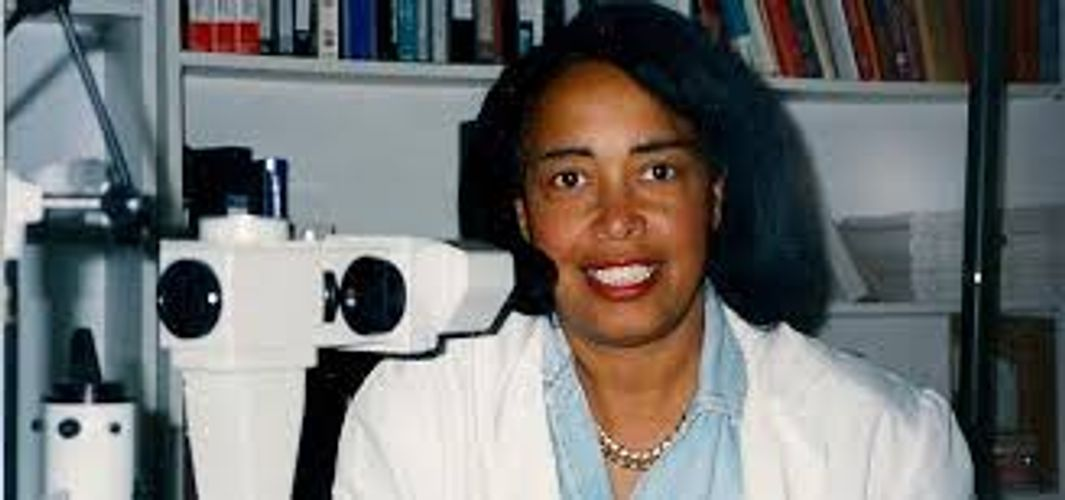
Dr. Patricia Bath was an early pioneer of laser eye surgery and achieved a number of firsts in her field: first woman to lead a post-graduate training program in ophthalmology; first woman elected to the honorary staff of the UCLA Medical Center; first African-American to serve as a resident in ophthalmology at New York University; the first African-American woman to serve on staff as a surgeon at the UCLA Medical Center; first African-American woman doctor to receive a patent for a medical purpose, actually four patents
This inventor patented over 20 electronic devices, one of which was an improvement to the pacemaker.
1. Otis Boykin
2. James Smith
3. Charles Drew
4. Jerome Adams
Otis Boykin
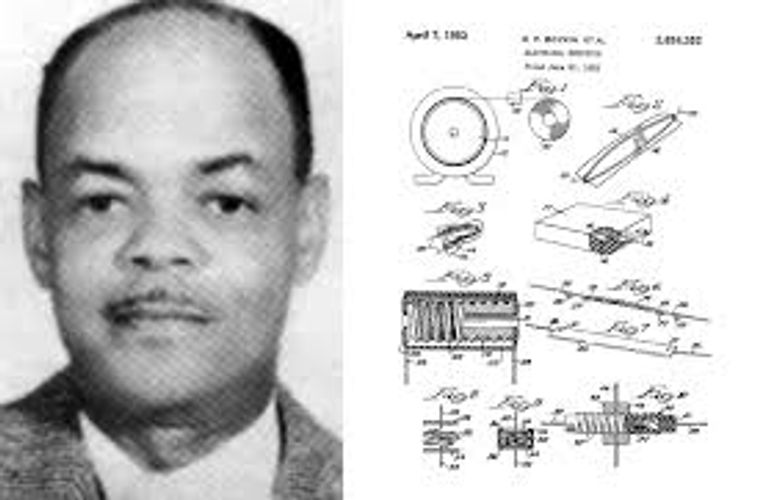
One of the most notable medical patents earned by an African American was the improvement to the pacemaker invented by engineer and inventor, Otis Boykin. Additionally, he patented numerous improvements related to television, computer and other everyday electronic devices.
Who was the first black professor to teach at Harvard Medical School?
1. John A. Kenny Jr
2. Robert Walter Johnson
3. William Hinton
4. Ronald Meyers
William Hinton
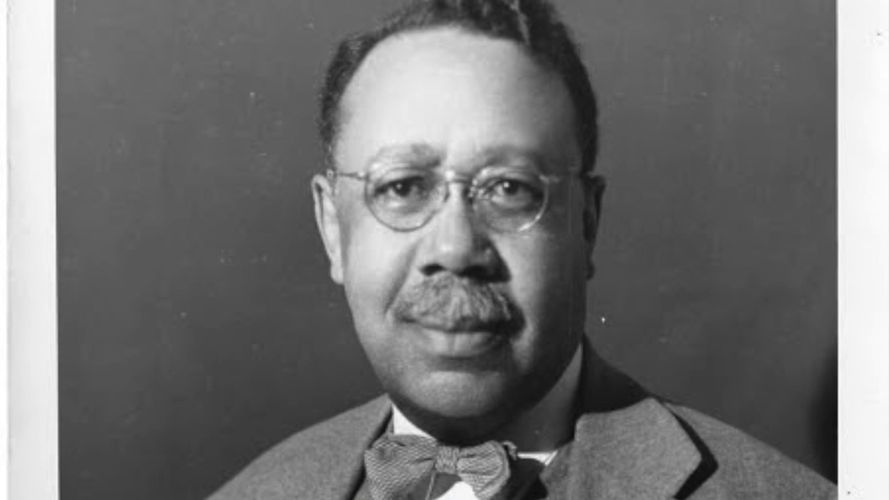
Dr. William Augustus Hinton was a bacteriologist, pathologist and educator who, in 1918, became the first black professor in the history of Harvard University. He was also a pioneer in the field of public health, developing a test for syphilis in 1934, which, because of its accuracy, was used by the United States Public Health Service.
Who served as the first black physician appointed as director to a U.S. hospital?
1. Hubert A. Eaton
2. Kenneth C. Edelin
3. Robert Burt
4. Alexander Augusta
Alexander Augusta
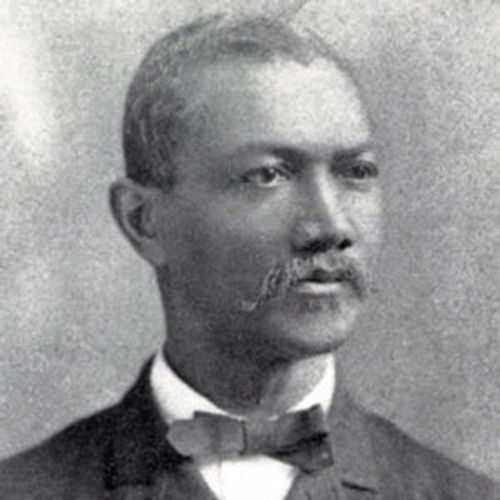
Alexander Thomas Augusta, the highest-ranking black officer in the Union Army during the Civil War, was also the first African American head of a hospital (Freedmen’s Hospital) and the first black professor of medicine (Howard University in Washington, D.C.).
Who served as the first African American woman neurosurgeon in the U.S.?
1. Patricia Cowings
2. Anna Bailey Coles
3. Alexa Irene Canady
4. Lilian Singleton Dove
Alexa Irene Canady
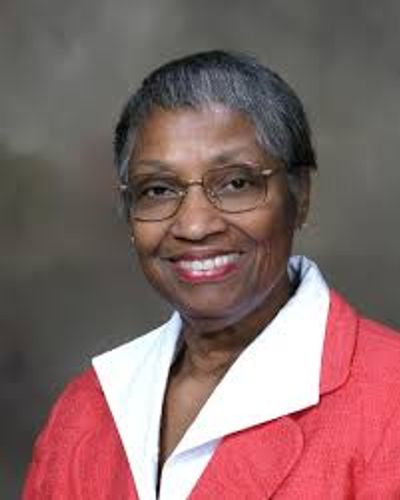
Dr. Alexa Irene Canady, who at one time wanted to drop out of college, proceeded in 1982 to become the first African-American and the first Woman pediatric neurosurgeon. She then became the first African-American woman to be a board-certified Neurosurgeon in 1984, and in 1987 she became Chief of Neurosurgery at the Children's Hospital of Michigan.
This doctor's extensive research helped to form the national sickle cell disease screening program.
1. Mary Keys Gibson
2. Jane Hinton
3. Jessie G. Garnett
4. Marilyn Hughes Gaston
Marilyn Hughes Gaston
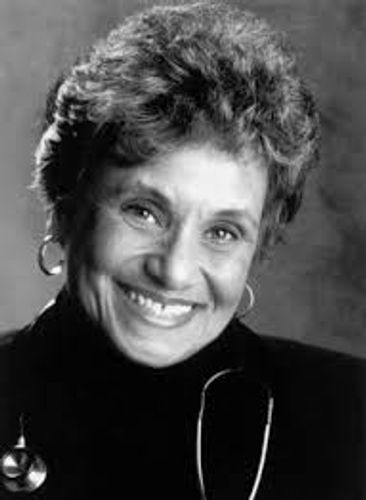
In 1986, Dr. Marilyn Gaston discovered a revolutionary medical procedure that showed the benefits of a screening for sickle cell at birth. Her work resulted in legislation by Congress for early Sickle Cell Disease (SCD) screenings, so treatment can begin right away.
What doctor is also known as the “Father of Blood Banking”?
1. Aaron McDuffie Moore
2. Peter Murray
3. John Nwangwu
4. Charles Richard Drew
Charles Richard Drew
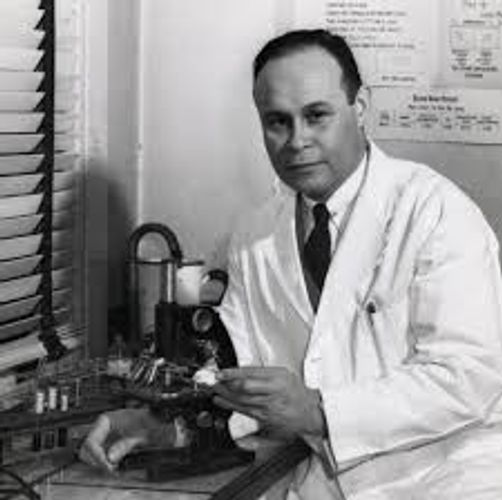
Dr. Charles Drew pioneered blood preservation techniques that led o the establishment of blood banks early in World War II and helped lead to thousands of lifesaving blood donations and blood transfusion.
Who was the first neurosurgeon to successfully separate conjoined twins attached at the back of the head?
1. James Alexander Owen
2. Samuel L. Kountz
3. David J. Peck
4. Benjamin Carson
Benjamin Carson
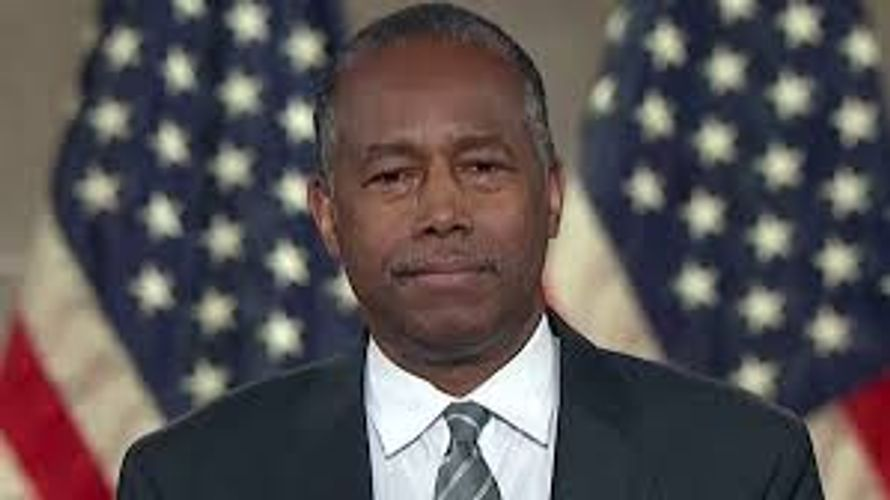
Dr. Benjamin Carson, although best known medically for separating conjoined twins, also enjoyed a number of other firsts in his medical career: at the age of 33, he was the youngest doctor to direct pediatric neurosurgery at John-Hopkins Hospital. As well he was the youngest chief of pediatric neurosurgery in the United States. Additionally he performed the first successful neurosurgical procedure on a fetus inside the womb; developed new methods to treat brain-stem tumors; and revitalized hemispherectomy techniques for controlling seizures. In addition to his medical success, he became the 17th United States Secretary of Housing and Urban Development under President Donald Trump.
Who was the 1st Black woman to receive her MD Degree?
1. Rebecca Lee Crumpler
2. Ruby Jackson
3. Jane Owen
4. Janet Mitchell
Rebecca Lee Crumpler
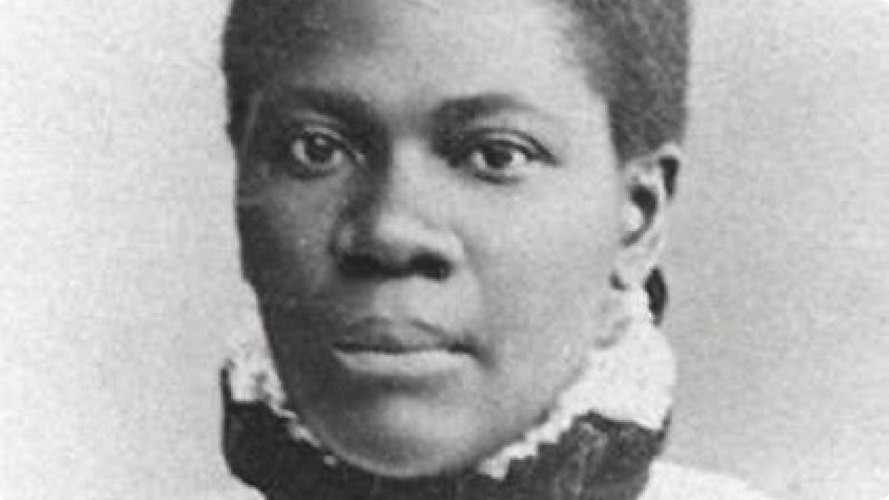
In 1864 Rebecca Lee Crumpler became the first Black woman in the United States to receive a medical degree; she received it from the New England Female Medical College.
What medical school became the first U.S. medical school to award an MD to an African American?
1. Wayne State University School of Medicine, Detroit MI
2. University of Colorado School of Medicine, Aurora CO
3. Rush Medical School of Chicago, IL
4. Indiana University School of Medicine, Bloomington, IN
Rush Medical School of Chicago, IL
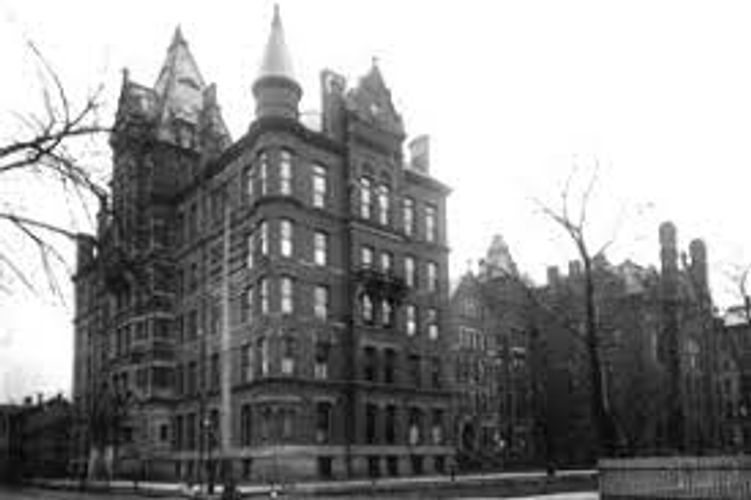
In 1847, Rush Medical School of Chicago, IL awarded an MD to David Jones Peck and he became the first African American to receive a medical degree from a US medical school.
Which was the first medical school dedicated to African American students?
1. Charles Drew University of Medicine and Science
2. Meharry Medical School
3. Morehouse School of Medicine
4. Howard University Medical School
Howard University Medical School
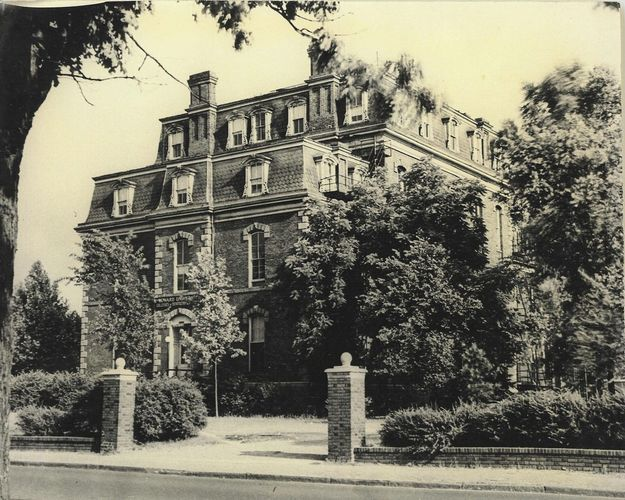
Located in Washington, D.C., Howard University was established in 1868, making it the oldest African American medical school.
This doctor became the first African American woman in space.
1. Clara Adams-Ender
2. Margaret E. Bailey
3. Mae C. Jemison
4. Virginia Alexander
Mae C. Jemison
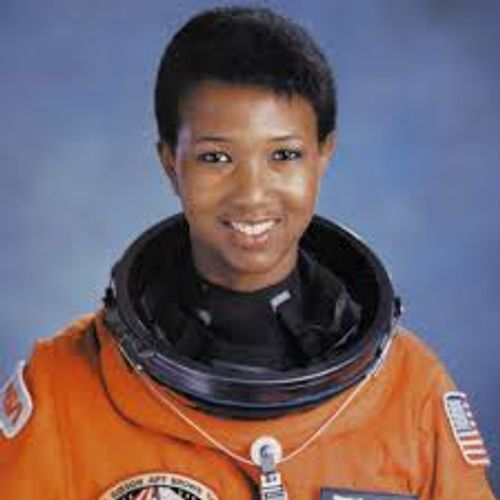
Dr. Mae Jemison earned her Medical Degree in 1981 from Cornell University Medical College and became the first black woman to travel into space when she served as a mission specialist aboard the Space Shuttle Endeavour in 1992.
Who was the Founding Dean of the Morehouse School of Medicine, the only Black medical school established in the 20th century?
1. Louis Wade Sullivan
2. Ernest Mae McCarroll
3. John Lester
4. Robert Walter Johnson
Louis Wade Sullivan
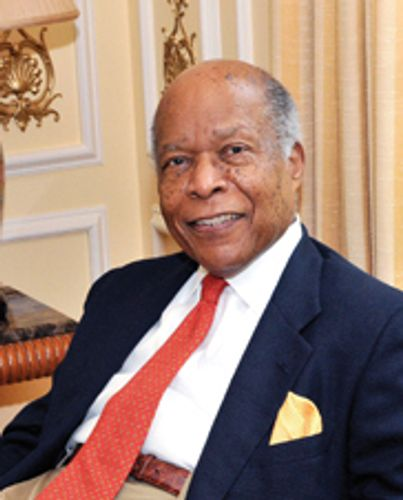
Dr. Louis Sullivan served as the Secretary of the U.S. Department of Health and Human Services under President George H. W. Bush was Founding Dean of the Morehouse School of Medicine.
Who was the first woman physician ever elected to the U.S. Congress and the first woman delegate from the United States Virgin Islands?
1. Jane C Wright
2. Donna Christian-Christensen
3. Margaret E. Bailey
4. Clara Adams-Ender
Donna Christian-Christensen
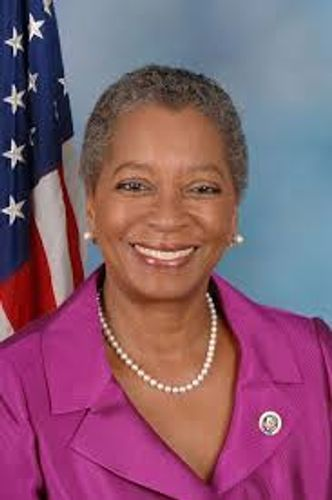
African American, Dr. Donna Christian-Christensen, representing the U.S. Virgin Islands, became the first woman physician elected to the U.S. Congress from 1997-2015.
Who was the first black surgeon to perform a successful open-heart surgery?
1. Danielle Hairston
2. Rufus Bacote
3. Charles Garvin
4. Daniel Williams
Daniel Williams
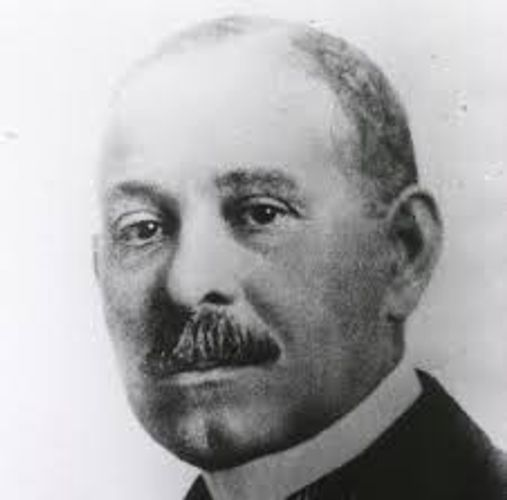
Dr. Daniel Williams, not only performed a successful open heart surgery, but also founded the first interracial and black-owned hospital.
Who was the surgeon who was the first black physician elected president of the American Medical Association?
1. Lonnie Bristow
2. Francis M. Kneeland
3. Julian Herman Lewis
4. Hamilton E. Holmes
Lonnie Bristow
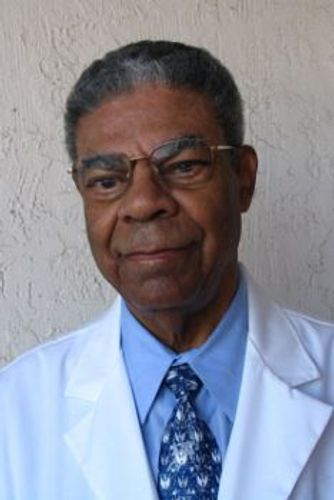
In 1995, Dr. Lonnie Bristow, a board-certified doctor of internal medicine, became the first African American President of the American Medical Association (AMA) in its 148 year history, after a 30 year membership in the organization.
Who was the first African American to lead a major pharmaceutical company?
1. Solomon Fuller
2. Frazier Merck
3. Allan Franklin
4. Kenneth Frazier
Kenneth Frazier
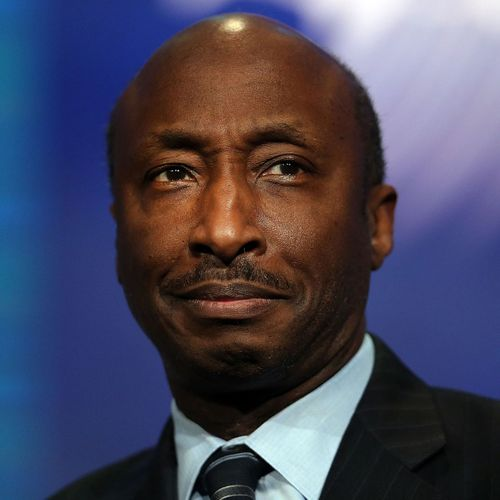
Kenneth Frazier, JD. is a business executive who as chairman and CEO of the pharmaceutical company Merck & C, became the first African American to lead a major pharmaceutical company after rising through the management ranks until he was appointed head in 2011.