Which historical event is Dr.Martin Luther King Jr. most known for?
1. March on Washington
2. Being president during the civil rights movement
3. Creating Jim Crow Laws
4. Not giving up his seat to a white man on a bus.
March on Washington
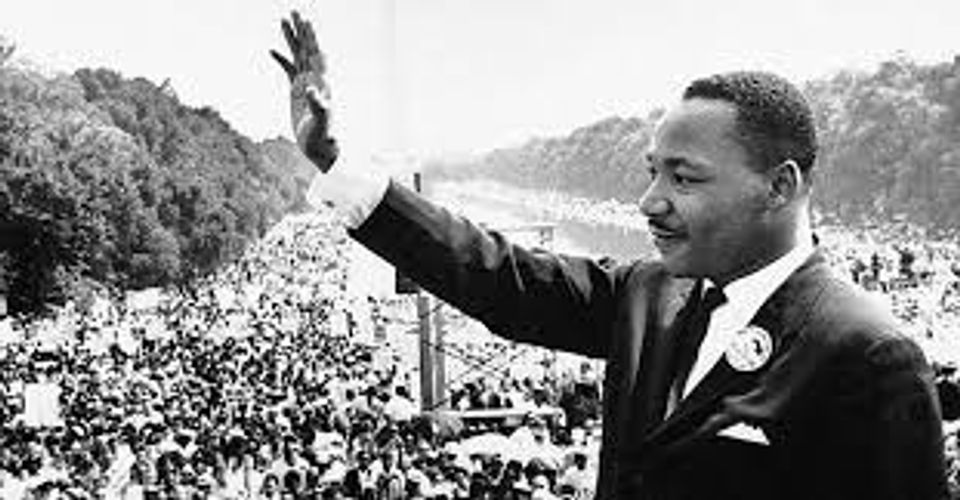
Dr. Martin Luther King Jr., the iconic Civil Rights leader, is most noted for the March on Washington for jobs and freedom. This march took place in Washington D.C in 1963 by civil rights leaders to protest racial discriminations and to show support for major civil rights legislation that was pending in Congress.
What did the court case, Brown vs. Board of Education, establish?
1. Segregation is not legal in theaters and hotels
2. Segregation in public schools was illegal
3. Black schools would receive new books
4. All-black schools must be equal to All-white schools
Segregation in public schools was illegal
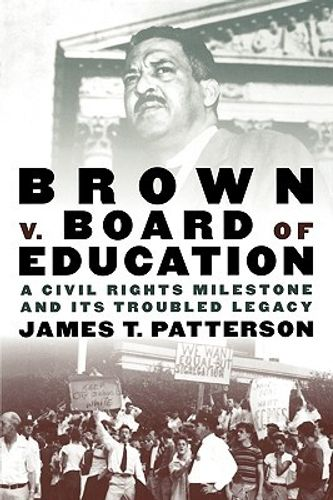
On May 17, 1954, Chief Justice Earl Warren of the U.S. Supreme Court delivered the unanimous ruling in the landmark civil rights case Brown v. Board of Education of Topeka, Kansas that the state-sanctioned segregation of public schools in the U.S. was a violation of the 14th Amendment.
What was Rosa Park’s role in the Civil Rights Movement?
1. Her participation encouraged others to join the movement and boycott busses
2. Her participation encouraged everyone to ride the buses
3. Her participation led to violence and people burning busses
4. Her participation encouraged more segregation in public areas.
Her participation encouraged others to join the movement and boycott busses
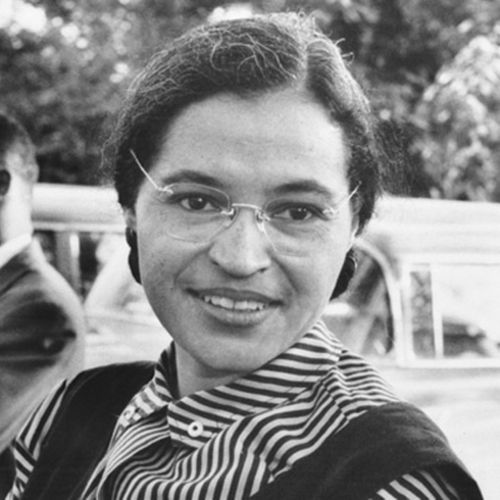
Rosa Parks' arrest led to the Montgomery Bus boycott and encouraged Black people in Montgomery to join the Civil Rights Movement.
What was Thurgood Marshall most noted for?
1. He served as the judge in Brown v. Board of Education court case
2. He was the first African American justice on the U.S. Supreme Court
3. He was the first Black U.S Marshall in Georgia
4. He was the first Black Clerk on the U. S. Supreme Court
He was the first African American justice on the U.S. Supreme Court
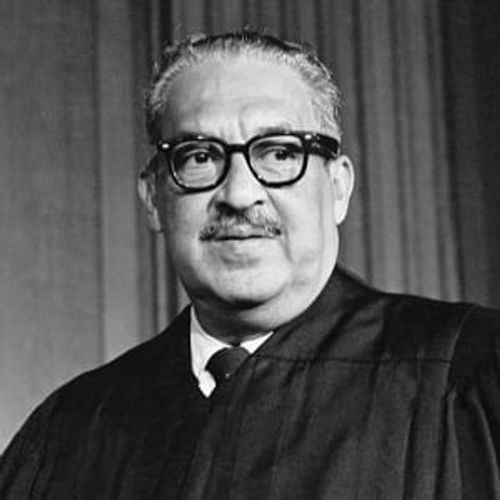
Thurgood Marshall was an African American lawyer who brought forth and won the Brown V. Board of Education case; he went on to serve as Associate Justice of the Supreme Court of the United States from 1967-1991 and was the Court's first African-American justice.
What was the legislation that ended segregation in public places and banned employment discrimination on the basis of race, color, religion, sex or national origin?
1. Civil Rights Act of 1964
2. Civil Rights Act of 1957
3. Voting Rights Act of 1965
4. Civil Rights Act of 1875
Civil Rights Act of 1964
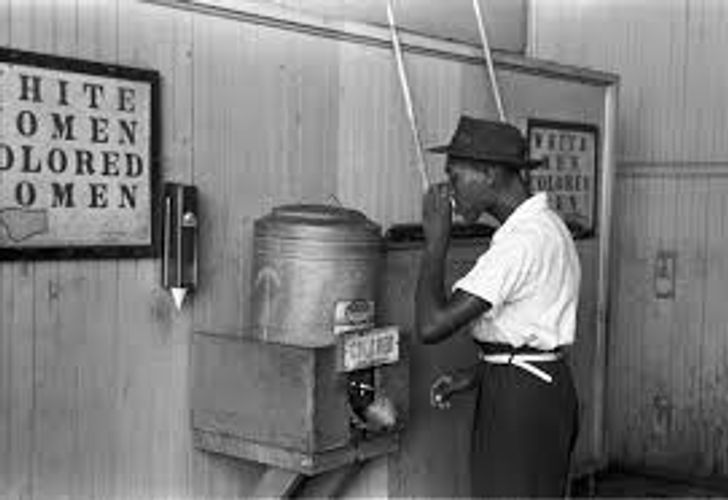
The landmark Civil Right Acts 1964 was proposed by President John F Kennedy in 1963; after his assassination, President Lyndon B. Johnson pushed it forward and it was signed into law on July 2, 1964.
In what city was the Brown v. Board of Education court case initiated?
1. Miami, Florida
2. Topeka, Kansas
3. New York City
4. Atlanta, Georgia
Topeka, Kansas
Brown v. Board of Education was initiated in Topeka, Kansas. In 1954, it became the landmark ruling that ended school desegregation in the U.S.
Who was Ruby Bridges?
1. The first child who went to jail during the Montgomery Bus boycott
2. The first African American girl not to give up her seat on a bus
3. The only child who crossed the Edmond Pettus Bridge on Bloody Sunday.
4. The first African American child that desegregated an all-white school.
The first African American child that desegregated an all-white school.
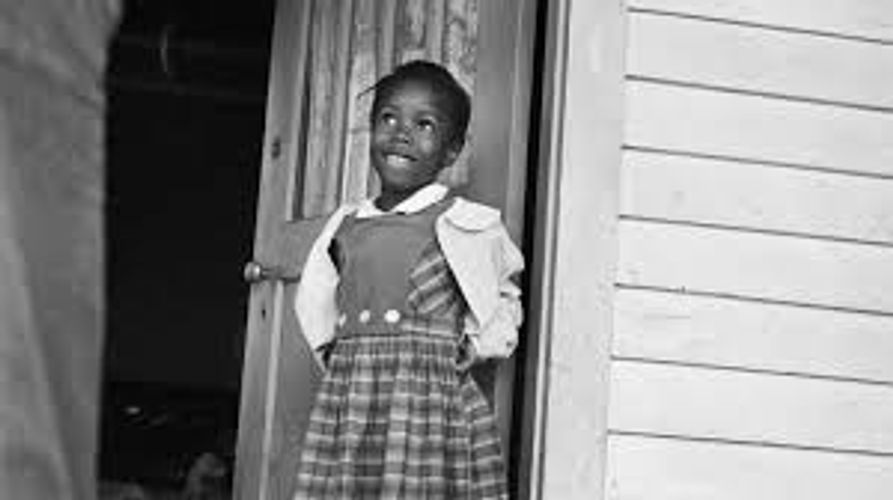
Ruby Bridges was the first African American child to desegregate an all white school in the south; it was William Frantz Elementary School in Louisiana during the New Orleans school desegregation crisis on November 14, 1960.
Where did nine African American students try to integrate a high school?
1. New Orleans, LA
2. Little Rock, AR
3. Memphis, TN
4. Jackson, MS
Little Rock, AR.
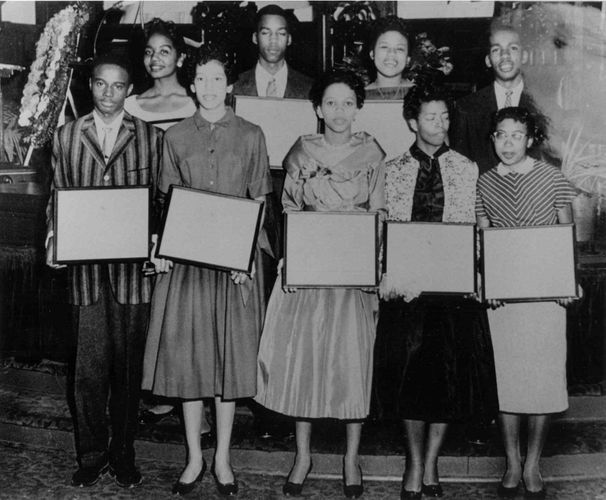
Called the Little Rock Nine, nine African American students, Minnijean Brown, Terrance Roberts, Elizabeth Eckford, Ernest Green, Thelma Mothershed, Melba Patillo, Gloria Ray, Jefferson Thomas, and Carlotta Walls defied the Arkansas, Gov. Orval Faubu, in their attempt to integrate Central High School in Little Rock Arkansas
What was the primary purpose of The March on Washington?
1. To desegregate public schools
2. To hear Martin Luther King's "I Have a Dream Speech"
3. To ban the Ku Klux Klan from existence
4. To promote civil and economic rights for African American people
To promote civil and economic rights for African American people
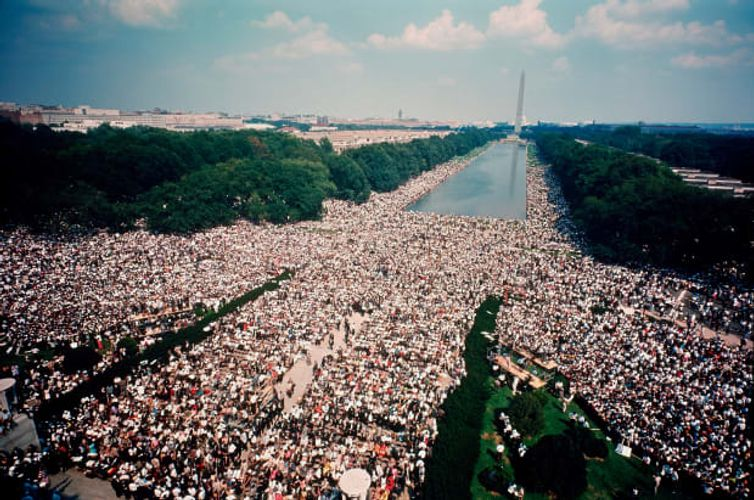
The March on Washington was fully known as the March on Washington for Jobs and Freedoms. In his famous "I Have a Dream" speech, Dr. Martin Luther King Jr. highlighted the purpose of the March by demanding both civil and economic rights for Black people.
What is the purpose of the 24th Amendment?
1. It ended slavery.
2. It prohibited poll taxes.
3. It made it legal for Thurgood Marshall to be selected for the Supreme Court.
4. It ended segregation based on race.
It prohibited poll taxes
The Twenty-fourth Amendment of the United States Constitution prohibits both Congress and the states from requiring a payment of a poll tax or other type of tax for the right to vote in federal elections.
What's the name of the nonviolent protest where protesters occupied space in order to protest segregation?
1. Petitioning signing
2. Sit-ins
3. Freedom Rides
4. Freedom Marches
Sit-ins
Sit-ins are a form of direct action that involves people occupying an area for a protest for political, social, or economic change. A well known sit-in during the Civil Rights era was the Greensboro sit-in that started in 1960, when young Black students staged a sit-in at a segregated Woolworth’s lunch counter in Greensboro, North Carolina.
Where did the murder of Civil Rights Activists Chaney, Goodman and Schwerner occur?
1. Greenwood, MS
2. Jackson, MS
3. Coffeeville, MS
4. Philadelphia, MS
Philadelphia, MS
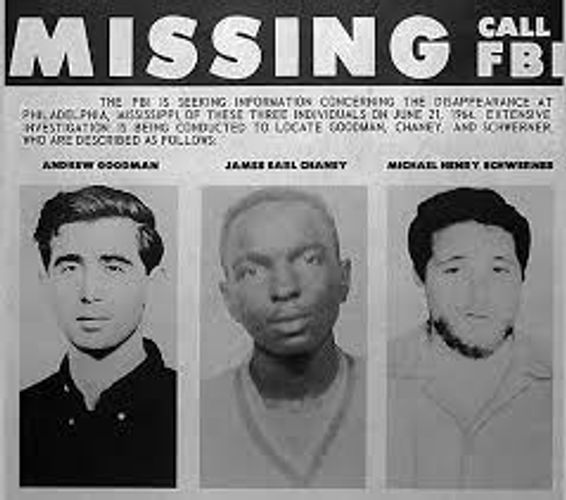
Michael (Mickey) Schwerner and James Chaney worked for the Congress of Racial Equality (CORE) in Meridian MS; Andrew Goodman was one of the students who had volunteered to work on voter registration, education, and Civil Rights as part of the 1964 Mississippi Summer Project. They were killed in or near Philadelphia MS, Neshoba County and were found buried in an earthen dam.
In what year was Dr. Martin Luther King Jr. assassinated?
1. 1972
2. 1973
3. 1968
4. 1969
1968
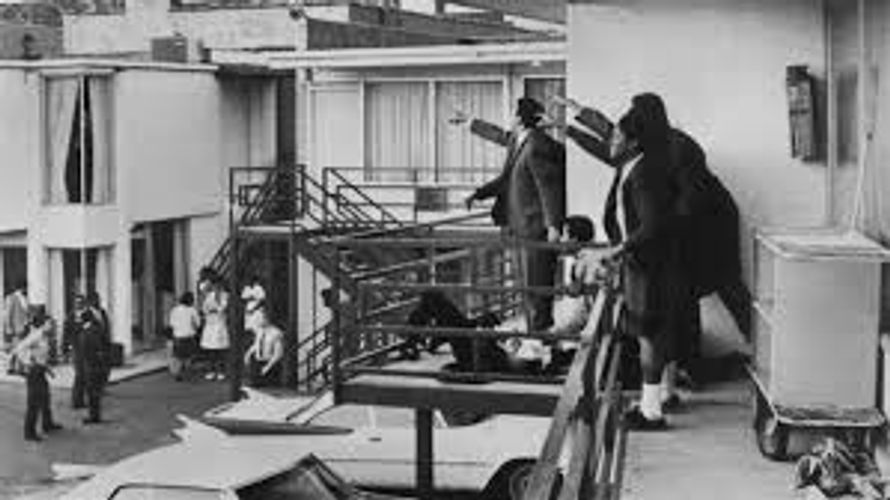
Dr. Martin Luther King Jr. was fatally shot at the Lorraine Motel in Memphis, Tennessee while there to support the sanitation workers who had been on strike protesting the death of two sanitation workers. The strike had started on February 12 and Dr. King was assassinated on April,4 1968 at 6:01p.m.
Where did the brutal killing of 14 year old Emmett Till take place?
1. Birmingham AL
2. Grenada, MS
3. Tallahassee, FL
4. Money, MS
Money, MS
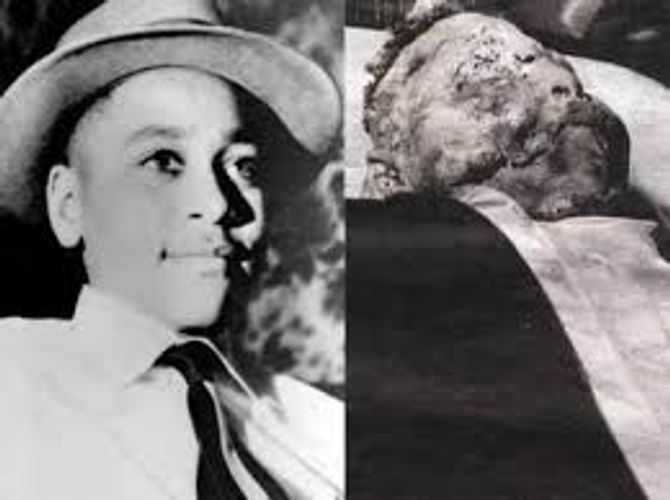
In 1955, young Emmett Till was lynched in Money, MS for allegedly whistling at a white woman, Carolyn Bryant, who in 2017 recanted her charges against Emmitt Till. The murder of the youth is credited with launching the Civil Right Movement. No one was ever convicted of the crime.
Where did the assassination of Malcolm X take place?
1. Loraine Hotel, Memphis, TN
2. Audubon Ballroom, Manhattan, NY
3. Independence Hall, Philadelphia, PA
4. Cobo Center, Detroit, MI
Audubon Ballroom, Manhattan, NY
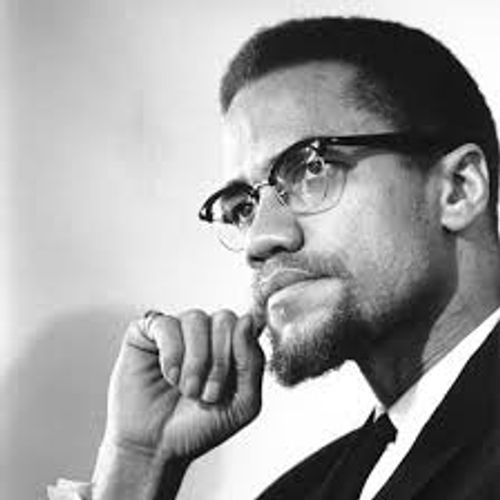
On February 21, 1965, Malcolm X was assassinated in the Audubon Ballroom in Manhattan, New York, probably by three members of the Nation of Islam.
What major award did Dr. King receive in 1964?
1. MacArthur Genius Award
2. Nobel Peace Prize
3. Academy Award
4. Pulitzer Prize
Nobel Peace Prize
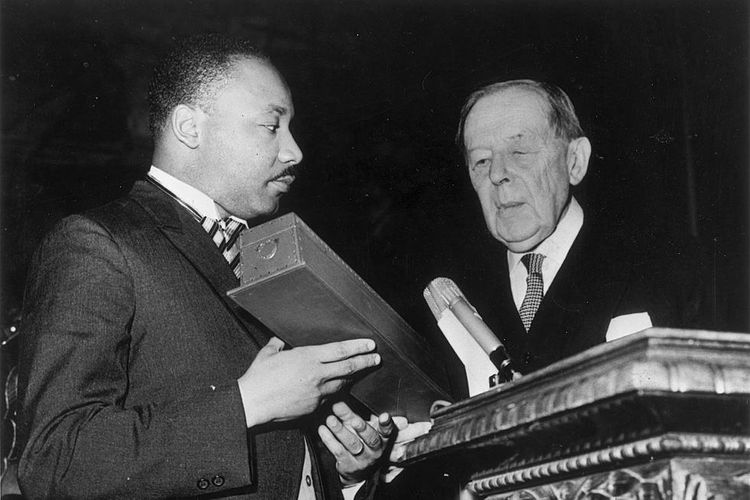
In 1964, Dr. Martin Luther King became the youngest person at that time to have won the Nobel Peace Prize.
Who began a solitary "March Against Fear" from Memphis, TN to Jackson, MS but was shot enroute?
1. Stokely Carmichael
2. James Meredith
3. Jesse Jackson
4. Kilpatrick Sloan
James Meredith
James Meredith started his solitary march on June 5, 1966. When he was injured by White supremacists and forced to stop his march, other Civil Rights leaders, including Stokely Carmichael, took over the walk with twenty-five thousand other marchers completing the march into Jackson, MS
Where was the Student Nonviolent Coordinating Committee (SNCC) formed?
1. Jackson, MS
2. Raleigh, NC
3. Memphis, TN
4. Atlanta, GA
Raleigh, NC
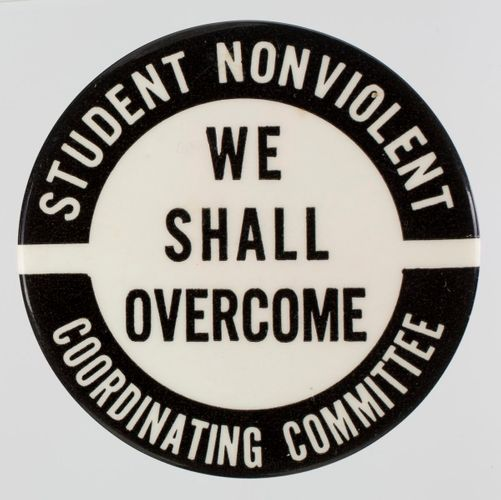
SNCC was an activist group formed in 1960 from the student-led sit-ins at segregated lunch counters in Greensboro, North Carolina and Nashville, Tennessee.
Outside of what Alabama town was the Freedom Riders’ bus attacked by White racists?
1. Selma
2. Talladega
3. Montgomery
4. Anniston
Anniston
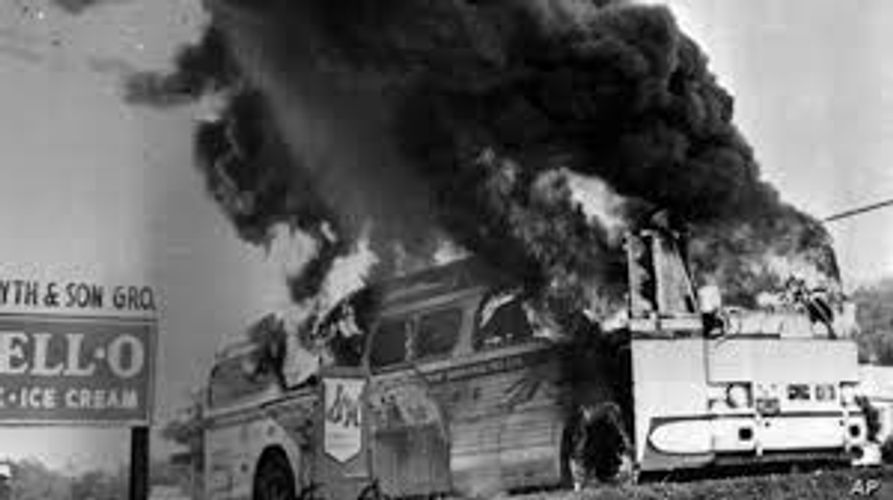
In 1961, the Freedom Riders' bus was attacked and burned outside of Anniston, Alabama. A mob beat them when they arrived in Birmingham and they were arrested when they arrived in Jackson, MS where they spent nearly two months in Parchman Penitentiary
From what city jail did Dr. Martin Luther King write an open letter written on April 16, 1963?
1. Montgomery
2. Selma
3. Birmingham
4. Anniston
Birmingham
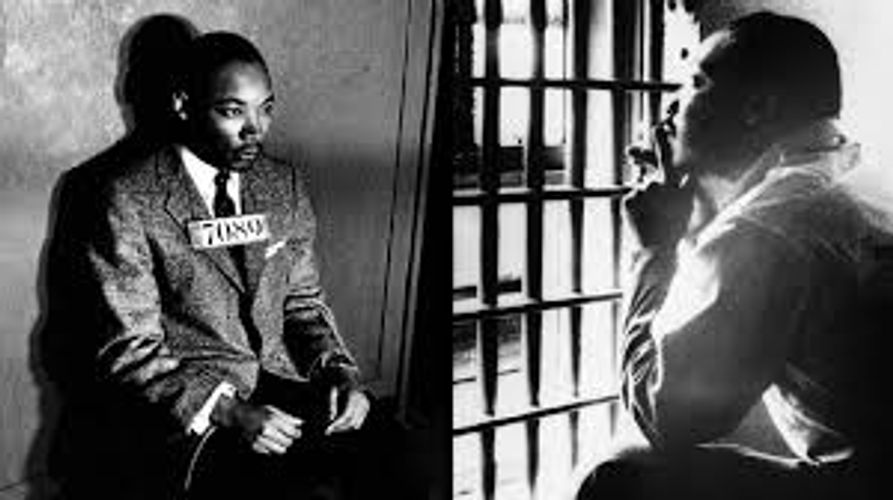
Dr. King wrote A Letter from a Birmingham Jail (also known as the Letter from Birmingham City Jail and The Negro Is Your Brother) as an open letter to advocate that people have a moral responsibility to break unjust laws and to take direct action to change conditions. The letter was first published as "Letter from Birmingham Jail" in the June 1963 issue of Liberation, the June 12, 1963, edition of The Christian Century,[ and in the June 24, 1963, The New Leader.
Who was the voting and women’s rights activist and community organizer in Mississippi who co-founded the Freedom Democratic Party?
1. Fannie Lou Hamer
2. Rosa Parks
3. Septima Clark
4. Ella Baker
Fannie Lou Hamer
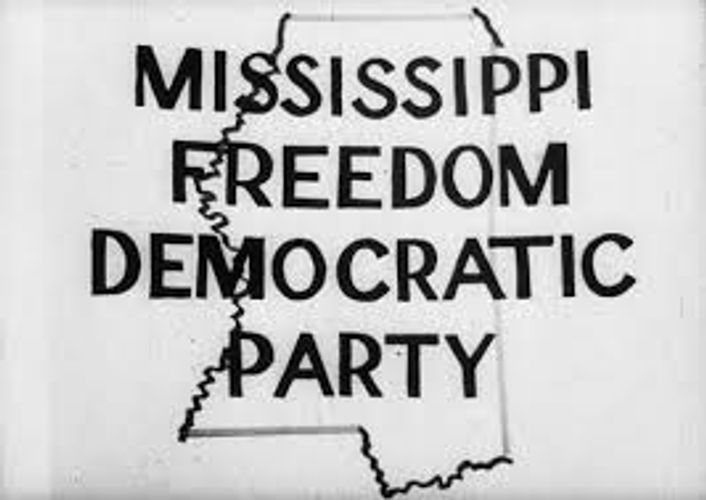
Fannie Lou Hamer co-founded the Mississippi Freedom Democratic Party in 1964 and ran for Congress in Mississippi in 1965. She also organized Mississippi's Freedom Summer along with the Student Nonviolent Coordinating Committee (SNCC).
In what year did the 16th Street Church bombing occur that killed four little girls?
1. 1959
2. 1965
3. 1963
4. 1960
1963
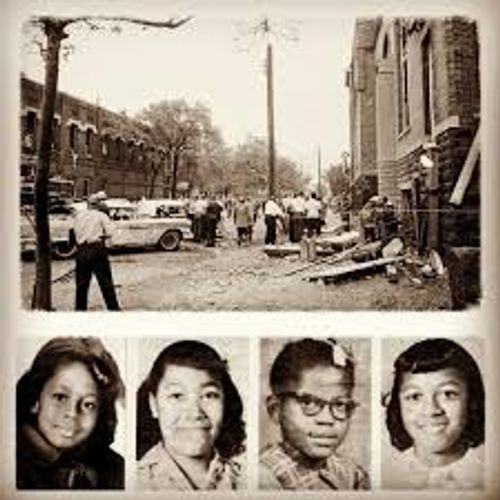
On September 15, 1963, the 16th Street Baptist Church in Birmingham, AL was bombed by a white supremacist. Four little girls were killed, 11-year-old Denise McNair and 14-year-olds Carole Robertson, Addie Mae Collins and Cynthia Wesley.
Which Civil Rights leader led the Freedom March with the young activist John Lewis across the Edmund Pettus Bridge into the violence that became known as Bloody Sunday?
1. Andrew Young
2. Hosea Williams
3. Ralph Abernathy
4. Julian Bond
Hosea Williams
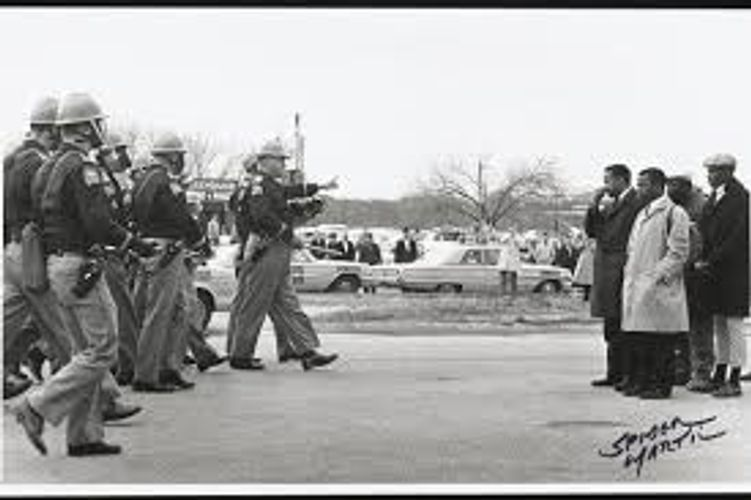
Rev. Hosea Williams, activist, ordained minister, businessman, philanthropist, scientist, and politician, was also a strategist for Dr. King and SCLC and it was he who organized the Freedom March across the Edmond Pettus Bridge which ultimately ended in life endangering violence against the protestors.
What was the focus of the Civil Rights Act of 1968?
1. Voting Rights
2. Interstate Public Travel
3. Fair Housing
4. Prohibition of Poll Tax
Fair Housing
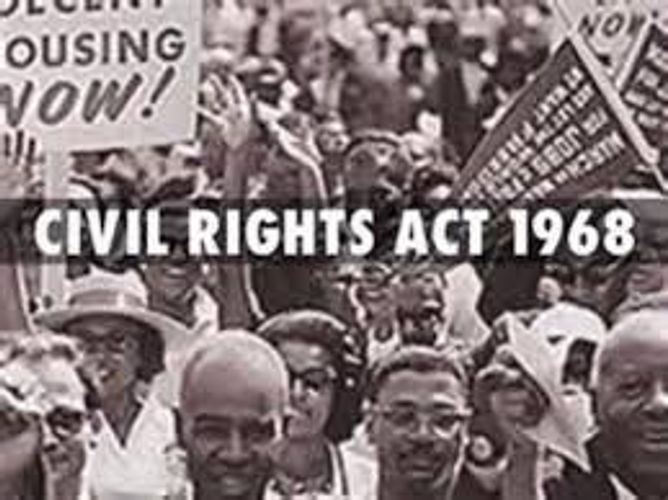
This landmark law, commonly known as the Fair Housing Act was signed by President Lyndon B. Johnson during the King assassination riots. It provided federal enforcement provisions to the Civil Rights Act of 1866 and further prohibited discrimination concerning the sale, rental, and financing of housing based on race, religion, national origin.
Which Civil Rights Leader started his activism as one of the original Freedom Riders of 1961?
1. Stokely Carmichael
2. John Lewis
3. Hosea Williams
4. Jesse Jackson
John Lewis
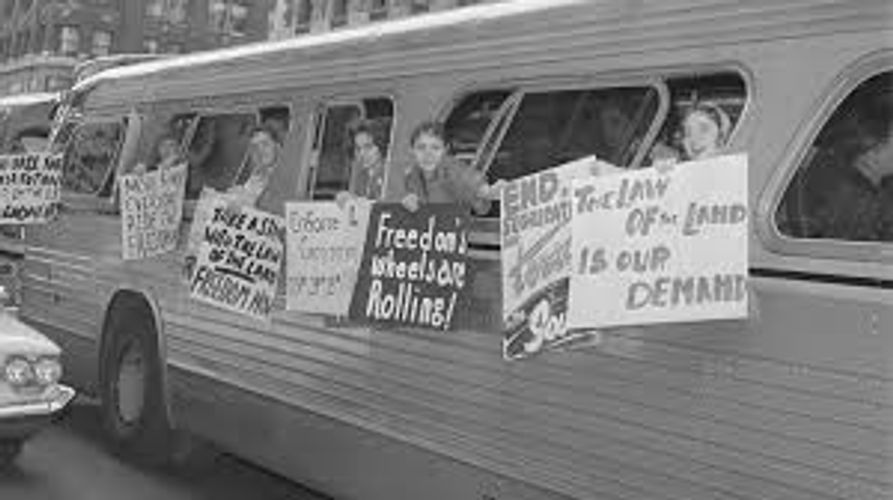
In 1961 and at the age of 21, John R. Lewis was one of 13 Freedom Riders; he was a founding member of SNCC and was elected as the second president and served from 1963-1966. Thereafter, he was active in various facets of the Civil Rights Movement, then in Georgia state and Atlanta local politics before being elected to Congress in 1986 and serving until his death in 2020.